Last updated November 23, 2026
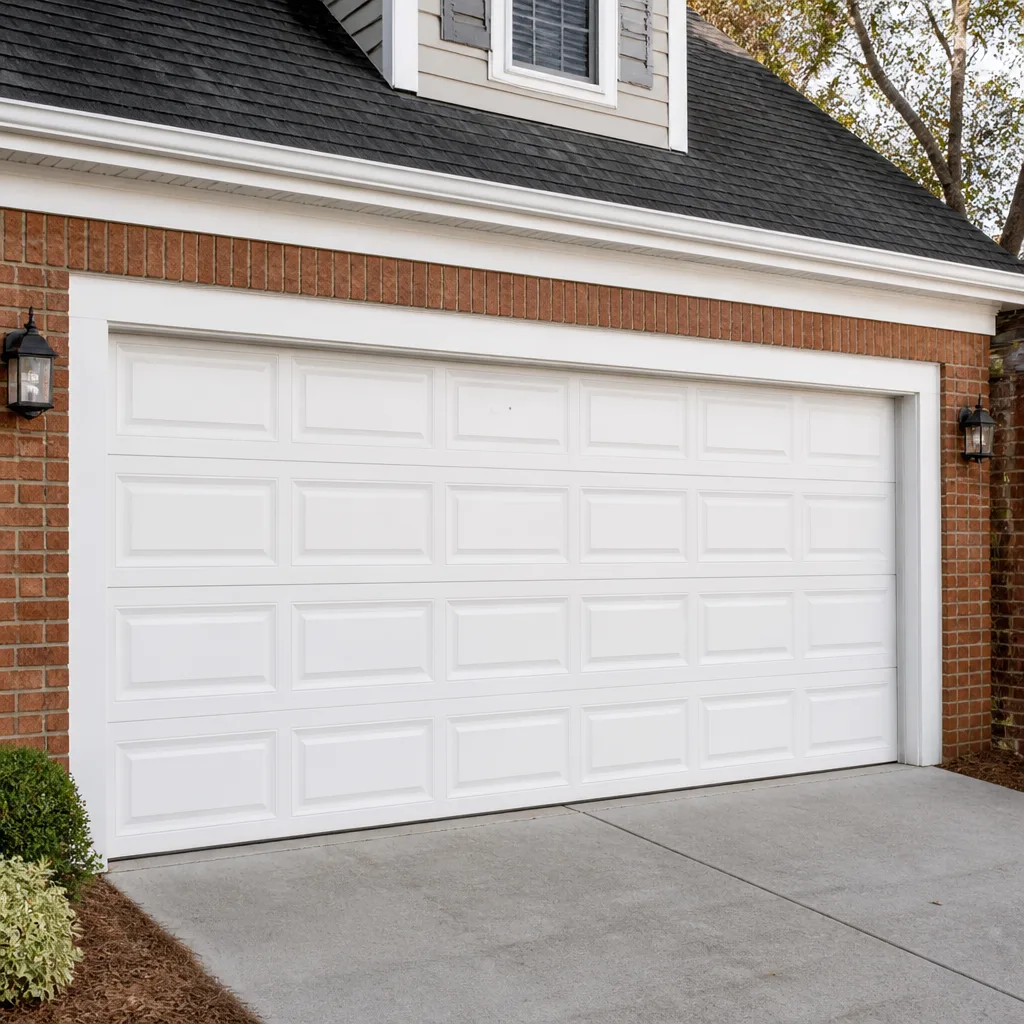 Raised-panel steel
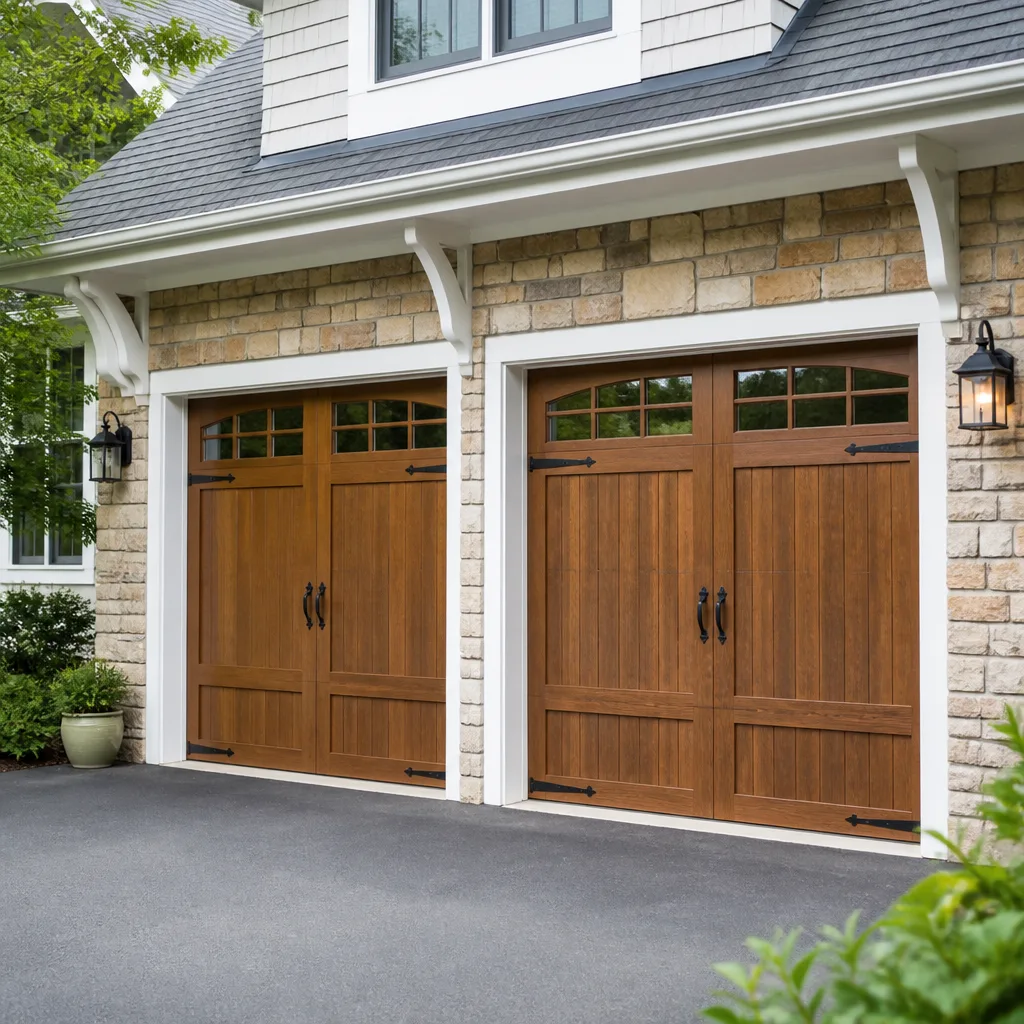 Carriage house
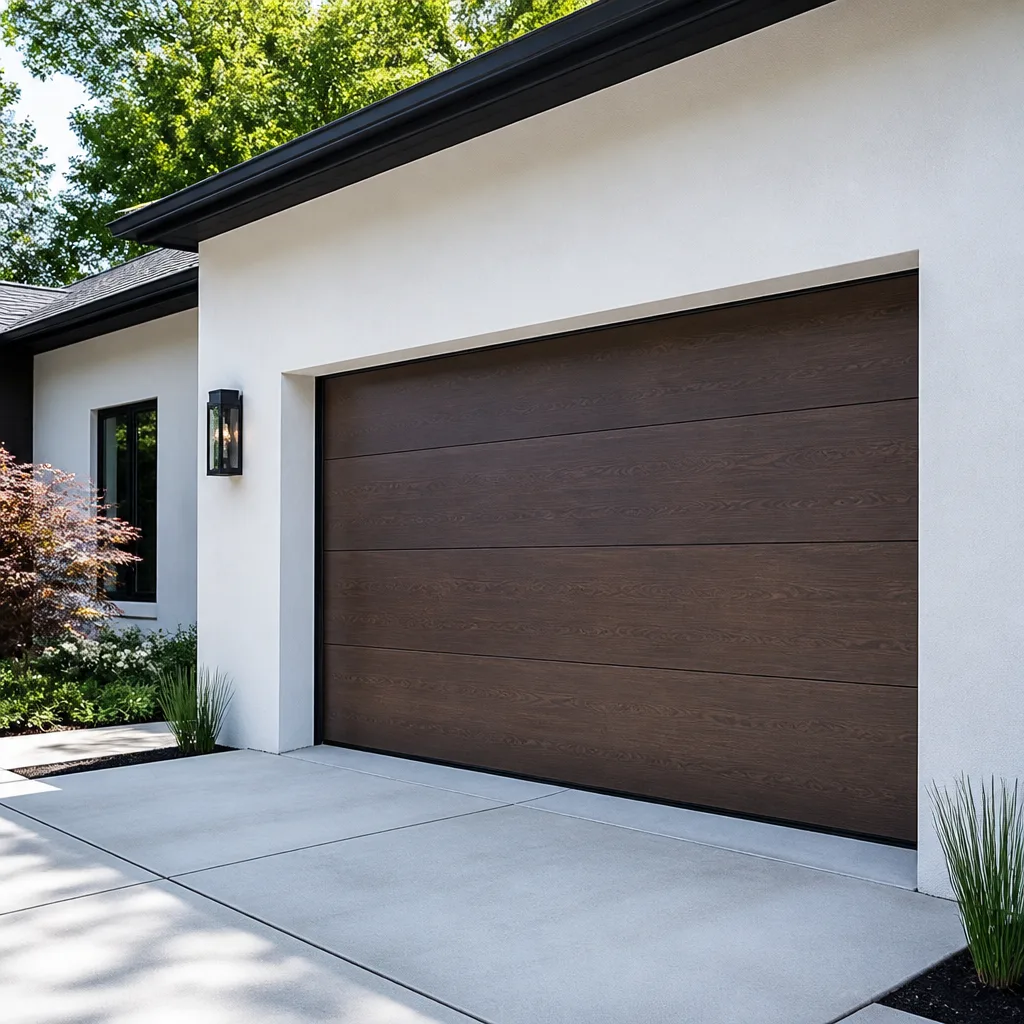 Modern flush
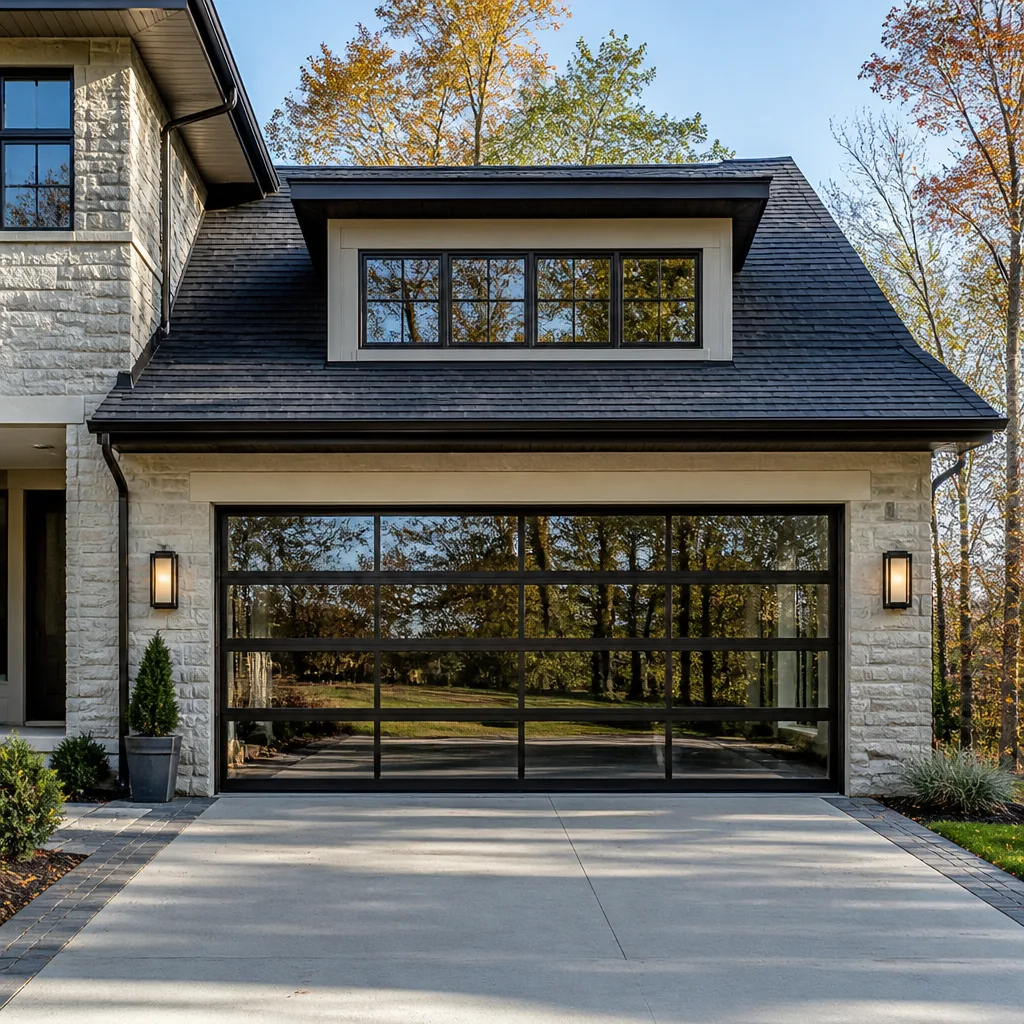 Full-view glass
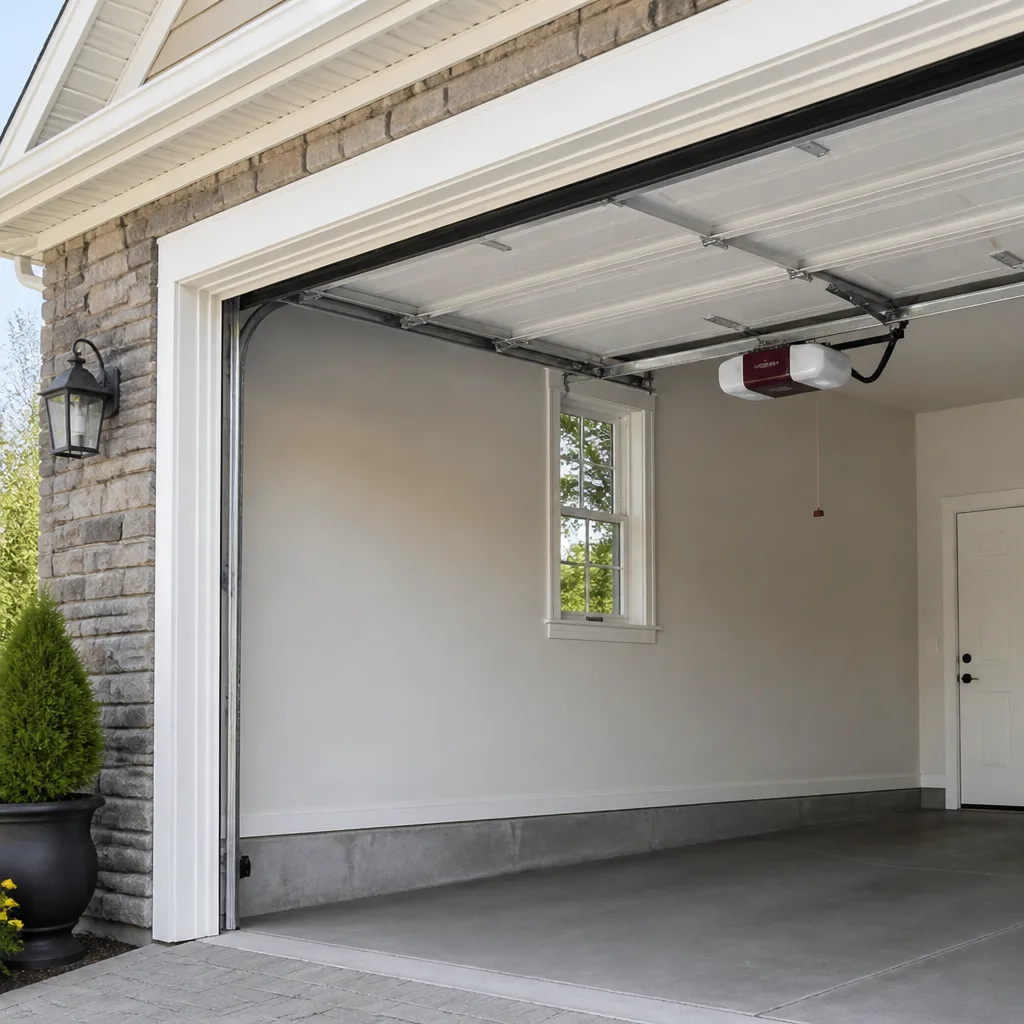 LiftMaster openers
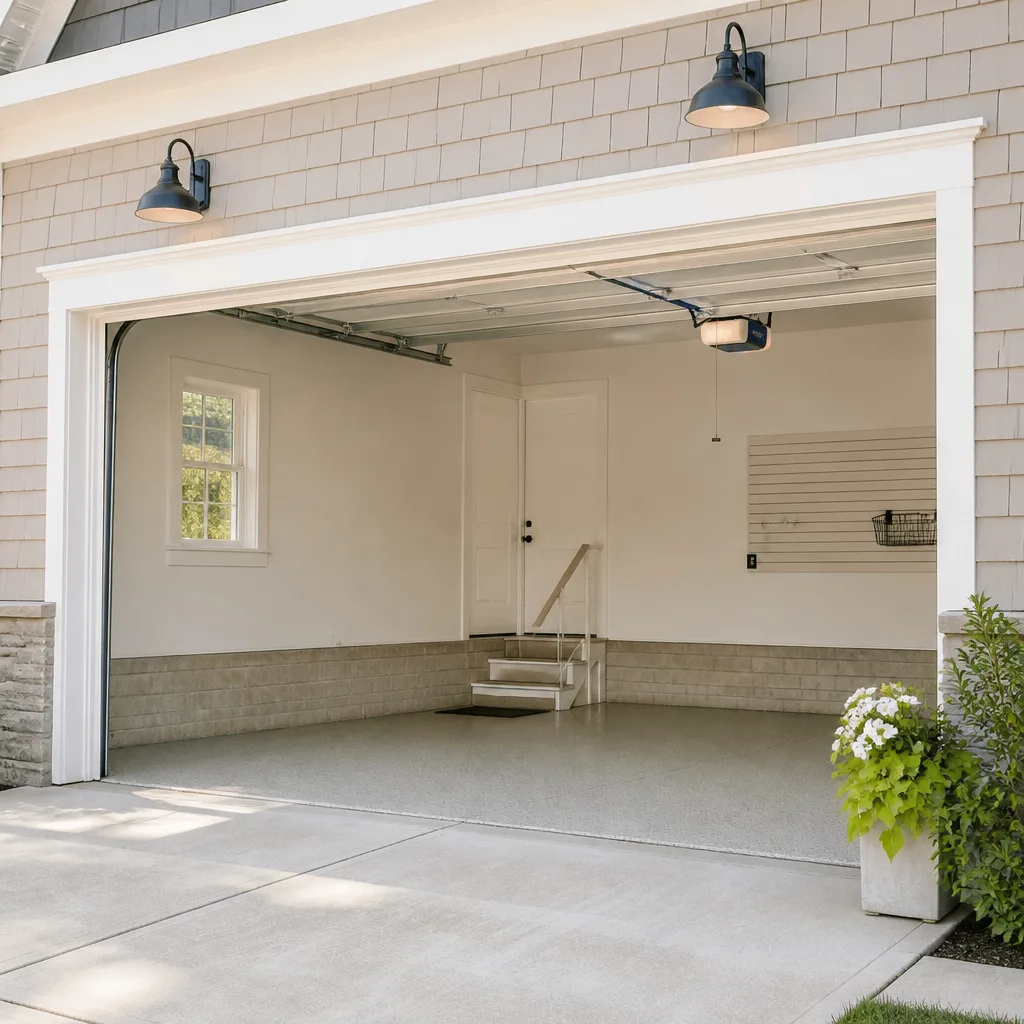 Chamberlain openers
Full 25-point door and opener safety check with every visit - springs, cables, rollers, tracks, and your LiftMaster or Chamberlain opener included
You get a price before we start. It does not change when the pro arrives.
Get your free estimateChoosing the Right Garage Door Brand: A Buyer’s Guide for Manchester
Most homeowners in Manchester start with the logo. They’ve seen Clopay on a neighbor’s colonial, or LiftMaster on the side of an opener that has run quietly for a decade, and they assume brand choice is a popularity contest. It isn’t. The brand that performs flawlessly in Phoenix can behave very differently on a Manchester home that swings from single digits in January to the high 80s or 90s in August. Steel expands, foam cores shift, insulation ratings shift with them, and a door rated for a warm, dry climate isn’t automatically rated for a Connecticut winter. This guide explains what actually separates one garage door brand from another for a Manchester home: steel gauge, insulation construction, wind rating, parts availability within driving distance, and warranty language that holds up when a hinge finally fails. You’ll learn how to read the specs critically and ask the questions that keep you from buying a brand you can’t get serviced.
Quick Answer
For a Manchester home, the right garage door brand is the one that combines polyurethane-cored, glued-steel construction for thermal performance, a steel gauge of 25 or heavier for dent resistance against ice and driveway traffic, a wind-load rating that reflects Connecticut’s nor’easter exposure, and a trained local service network within about 30 miles so parts and adjustments don’t wait on a mail-order box. Clopay and Amarr lead on panel construction and insulation, while LiftMaster, Chamberlain, and Genie lead on operator reliability and smart-home integration. If the brand you’re considering can’t answer those four questions, it isn’t the right brand yet.
Styles & brands we work with
- Raised-panel steel
- Carriage house
- Modern flush
- Full-view glass
- LiftMaster openers
- Chamberlain openers
Table of Contents
- Why brand choice matters more in Manchester’s climate than anywhere else
- How to read insulation R-value claims critically
- Parts and service network: what’s within 30 miles matters
- Steel gauge compared: 24, 25, and 27 gauge and what they mean
- Wind load ratings by brand and Connecticut nor’easter exposure
- What “lifetime” actually means in the fine print
- The opener is part of the brand decision
- The questions to ask before you sign
Why brand choice matters more in Manchester’s climate than anywhere else
A garage door is a moving steel structure that expands and contracts every day the temperature changes. In a climate with a wide seasonal swing, that structure goes through roughly 110°F of thermal movement between a January low and an August high. Steel absorbs that expansion in slightly different ways depending on gauge, how the panels are bonded, and how the frame sections are reinforced. A brand engineered for a stable warm climate will work in Manchester, but it may not work as long or as quietly.
Homes in Manchester also sit under snow load, ice dam runoff, and the freeze-thaw cycle that loosens fasteners and warps untreated frames. When we look at a door for a Highlands or Bowers neighborhood home, we’re looking at how the panels handle a Connecticut winter, not how they photograph on a showroom floor.
Here’s the practical list of what actually changes with the brand:
- Panel construction: Some brands bond steel skins to a solid polyurethane core. Others insert a foam panel into a frame. The bonded version resists delamination in freeze-thaw cycles far better.
- Steel gauge: The metal thickness under the paint. 24-gauge is heaviest, 27-gauge the lightest. Ice, gravel, and a basketball all find the difference.
- Insulation R-value: The thermal measure of how well the door resists heat transfer, which matters most on attached garages below bedrooms.
- Reinforcement: A strut or center brace that stiffens the door for wind and for operators that pull a heavier panel.
- Service network: Whether a trained technician can get to Manchester with the right part, or whether every repair becomes a shipping wait.
The brand isn’t the only factor, but on a Connecticut home it’s the one that determines how the other four behave in February. Our Manchester Garage Door Repair Pros team works on doors from eight major manufacturers, which means we’ve seen how each one holds up after a decade of Manchester winters. That’s the perspective this guide comes from.
How to read insulation R-value claims critically
Insulation is the most over-hyped and least understood spec on a garage door. R-value measures how well a material resists heat flow, and higher numbers are better, but the number a manufacturer prints on the box tells you less than how the door is built. There are two construction methods, and they behave very differently across a Connecticut winter.
The first method is bonded construction: two steel skins with polyurethane foam injected and cured between them so the whole panel becomes one solid slab. The foam is glued to the steel, so the skins and the core move together during thermal expansion. The second method is framed construction: an insulated panel or foam board inserted into a hollow steel frame, where the skins and the foam are not bonded at all. Framed doors can hit respectable R-values on paper, but the skins float independently of the core, and after a few years of freeze-thaw cycling that separation shows up as rattling panels and cold air at the seams.
When a Clopay or Amarr insulation claim is quoted, ask two follow-ups:
- Is the foam injected and bonded to the steel, or inserted as a separate board? Bonded foam holds its shape through the thermal swing. Inserted board doesn’t.
- Is the R-value per the whole door, or per panel core? The number that matters is the one for the assembled door, seams and all.
Neither brand publishes a number you should treat as gospel without asking those questions, and neither does any competitor. The insulation question matters most in Manchester homes where a bedroom or a bonus room sits directly above the garage; that’s where a well-bonded door does the most work. If the garage is detached or holds nothing but the snow blower, the insulation spec is nice but not worth paying a premium for. This is the sort of match to the home, not just the brochure, that makes a brand choice worth the money.
Parts and service network: what’s within 30 miles matters
Here’s the reality check that home shows skip. A brand can be excellent on paper, but if the nearest trained dealer who stocks its parts is a state away, every repair turns into a shipping delay. For a Manchester homeowner, the practical question is whether a technician who knows that exact door can reach it before the car spends a week in the driveway.
The industry splits into two service models. Some brands have a broad network of trained, authorized dealers, so parts are available through local supply chains and a technician can bring the right hinge, roller, or panel section on the first visit. Others sell primarily direct or through big-box retail, where replacement parts are ordered online and the homeowner is left waiting for a box or calling whichever technician will take the job. Neither model is dishonest. But when a cable gives way in February, one model gets you back in service today and the other doesn’t.
What we’d tell anyone here is to ask two questions before buying any brand:
- Who in the Manchester area is trained on this brand? A technician who’s worked on LiftMaster, Chamberlain, Genie, Craftsman, Clopay, Amarr, Wayne Dalton, and Raynor systems will recognize the specific spring anchors and hinge styles without a manual.
- Can common parts be sourced locally? Springs, rollers, cables, and panels for a well-supported brand ship fast and sometimes sit in local stock. An obscure import brand doesn’t.
Our technicians have up to 11 years of experience and work across all eight of those brands, so we can speak to where each one stands on the local support question honestly. If the brand you’re leaning toward can’t be supported within a reasonable drive, that’s a decision factor that outranks a slightly prettier panel design. Search a brand’s site for “authorized dealer” and confirm the nearest one is actually near.
Steel gauge compared: 24, 25, and 27 gauge and what they mean
Steel gauge is the single most misunderstood specification in garage doors. Lower gauge means thicker steel. It’s counterintuitive, and it’s why some salespeople swap the numbers and hope no one notices. Here’s the honest comparison of what’s commonly sold in Connecticut:
- 24-gauge: The heaviest residential steel. Best dent resistance. Adds weight, which matters for opener capacity, and costs more. Makes sense for exposed doors facing a driveway with regular ball traffic.
- 25-gauge: The practical middle. Handles ice, gravel spray, and the occasional driveway basketball well, at a reasonable price. This is the tier most Manchester homes should start at.
- 27-gauge: Lightest of the common grades. Fits tight budgets and light-use situations, but dents more easily and can buckle from a firm impact.
What does dent resistance actually mean in Manchester? Winter road salt and cinders get thrown at a low door by tires, plows push slush toward the bottom panels, and kids play near the driveway for half the year. A 27-gauge door is fine on a detached shed nobody drives near. On a two-car attached garage in Manchester, where the bottom panel meets a driveway and a basketball hoop, 25-gauge is money well spent and 24-gauge is worth it if the door is exposed to the street.
Gauge alone doesn’t tell the story, though. Door weight and opener capacity are tied together directly, so a heavier-gauge door paired with an underpowered opener will strain. That’s the bridge to the opener section below. The point for now: ask which gauge each panel uses, not just the door, because some brands vary gauge from top to bottom section.
Wind load ratings by brand and Connecticut nor’easter exposure
Wind load sounds like a coastal issue, and it mostly is, but Manchester gets the inland edge of nor’easter systems that produce sustained wind and gusts across the whole state. A garage door is the largest moving panel on a house, and when wind load pushes on it, the door deflects and the track takes the force. A door without a wind rating isn’t unsafe, but it’s more likely to come off its tracks after a hard storm, and that’s the repair call no one wants at the worst moment.
Wind ratings are typically expressed as a design pressure in pounds per square foot, and most residential doors are rated for wind that a typical Manchester home won’t see. The ratings matter most for:
- Doors facing an open field, a long driveway, or the west and northeast exposures where storm winds hit hardest.
- Wide doors, because span increases with width and more reinforcement is needed to hold the same rating.
- Homes with a garage that opens directly onto living space, where a door coming off its tracks is a security problem, not just an inconvenience.
Ask any brand how the door is rated and what reinforcement gets the wide-door version to the same number. Some brands reinforce only at the strut and tell you the rating holds across sizes; others need a heavier strut for anything over a single-car width. And ask about the tracks and the anchors. Wind loads pull on fasteners as much as they bend panels, so a rated door hung on undersized anchors isn’t really rated. Clopay and Amarr both publish wind-rated configurations for their residential lines; whether a specific door on a Manchester home needs one is a question to answer with your technician, based on exposure, not marketing.
If a storm has already pushed a door out of its tracks, that’s a safety issue, not a cosmetic one, and it’s one of the situations where we’d tell you to stop using the door and call for garage door repair rather than force it.
What “lifetime” actually means in the fine print
Every major brand sells a “limited lifetime” warranty, and almost none of them mean what a first-time buyer assumes. The word “limited” is doing the heavy lifting. Before you buy, read what’s covered, for how long, and whether it survives a sale of the house.
The fine print usually splits coverage by part:
- Steel sections: Often covered against rust-through and manufacturing defects for as long as you own the home, not “lifetime” in a literal sense.
- Hardware (hinges, rollers, springs, cables): Usually a shorter term, and springs are frequently excluded or limited because they wear out by design.
- Labor: Almost never covered after the first year. The part may be free; the visit to install it isn’t.
- Finish and paint: Often covered for a limited period against peeling or fading.
The transferability question is the one that matters most on a Manchester home that may change hands. Some warranties transfer to a new owner and some don’t, and many require the new owner to register within a set window of the sale to keep coverage alive. If you’re selling within a few years, a transferable warranty is worth real money at the closing table; if you’re staying for 20 years, it’s the labor terms that matter more. A warranty that covers the panel but not the labor to hang it is only half a warranty. None of the manufacturers above will tell you their own fine print is generous, so ask for the actual document, not the summary on the showroom sheet.
Springs deserve their own note. They’re the highest-wear part of the whole system, and they’re also the most dangerous to replace. When a spring eventually fails, that’s garage door spring repair territory, and it’s a job that calls for a trained technician, never a homeowner with a ladder. A torsion spring under load stores enough energy to break a wrist or worse, and the tools to handle it safely aren’t in a typical garage. The brand you choose affects which springs are available and how quickly, which is another reason the service network question comes first.
The opener is part of the brand decision
Homeowners often pick a door brand and an opener brand separately, and that’s fine, but they should be chosen together. The opener has to lift the door you bought, and a heavier, well-insulated door needs an opener with the right capacity and a drive type that suits the door’s weight. Pair a solid 24-gauge door with a light-duty opener and you’ll get a tired motor and a door that strains on every cycle.
On the operator side, the brand landscape is easier to read:
- LiftMaster and Chamberlain share the same engineering lineage and dominate the residential market. Parts and technicians are everywhere, and their smart-home integrations are mature.
- Genie builds a reliable line with its own app ecosystem and a strong track record on quiet belt drives.
- Craftsman operators are widely installed in older Manchester homes and are still serviceable, even the legacy units without modern connectivity.
The practical point is that the best door in the world won’t perform if the opener behind it can’t lift it reliably. When we look at an opener, we’re looking at both modern smart-home systems and the older legacy drives that are still running in a lot of Manchester garages, and the two diagnose very differently. If your opener is more than a decade old, plan to replace it with the door rather than pay twice for installation. That’s part of why we treat the whole assembly as one system rather than three separate purchases. When the opener starts skipping, that’s a garage door opener repair conversation, not a door problem, and it’s worth knowing which before you spend.
The questions to ask before you sign
Here’s the sequence we’d recommend to any Manchester homeowner comparing brands. None of these questions require technical knowledge to ask, and the way a brand or a salesperson answers them tells you most of what you need to know.
- What gauge is each panel? Get the number per section, not the marketing average.
- How is the insulation bonded? Injected and glued to the steel, or board inserted into a frame?
- Who services this brand within 30 miles of Manchester? Ask for a name and confirm it.
- What does the warranty exclude, and does it transfer to the next owner? Ask for the document, not the summary.
- What wind rating does this door hold at the width I need? Wide doors need more reinforcement, not the same.
- What opener capacity does this door require? If you’re keeping your opener, confirm it can lift the new door.
- Who installs the new door, and what happens if a spring fails in month three? The answer to that last part is where brand support shows up.
Ask those seven questions and you’ll know more than a showroom pitch will tell you. Anything short of clear answers is a reason to look at another brand.
Common Mistakes to Avoid
- Choosing by color and panel style first. Aesthetic choices are real, but they should come after you’ve confirmed gauge, insulation build, and service availability, or you’ll fall in love with a door no one nearby can maintain.
- Trusting the R-value number without asking how the door is built. Bonded polyurethane and inserted foam board can post similar numbers and act very differently through a Connecticut freeze-thaw cycle.
- Buying a brand with no local service network. Mail-order parts turn a broken spring into a week in the driveway. Confirm the trained dealer is actually within reach before you buy.
- Choosing 27-gauge on a two-car Manchester garage. It saves a little up front and dents every winter. 25-gauge is the floor most homes here should accept.
- Mismatching opener and door weight. A heavier, better-insulated door with an underpowered opener wears both out. Spec them together from the start.
- Reading “limited lifetime” as “lifetime.” The word “limited” excludes most labor and often most hardware. Read the exclusions before you sign.
- Skipping the transferability question. If there’s any chance you’ll sell the house within a few years, an untransferable warranty quietly loses value.
- Ignoring wind-rated reinforcement for wide doors. A single-car spec doesn’t protect a double-wide door, and nor’easter exposures in Manchester can find the difference.
See the difference
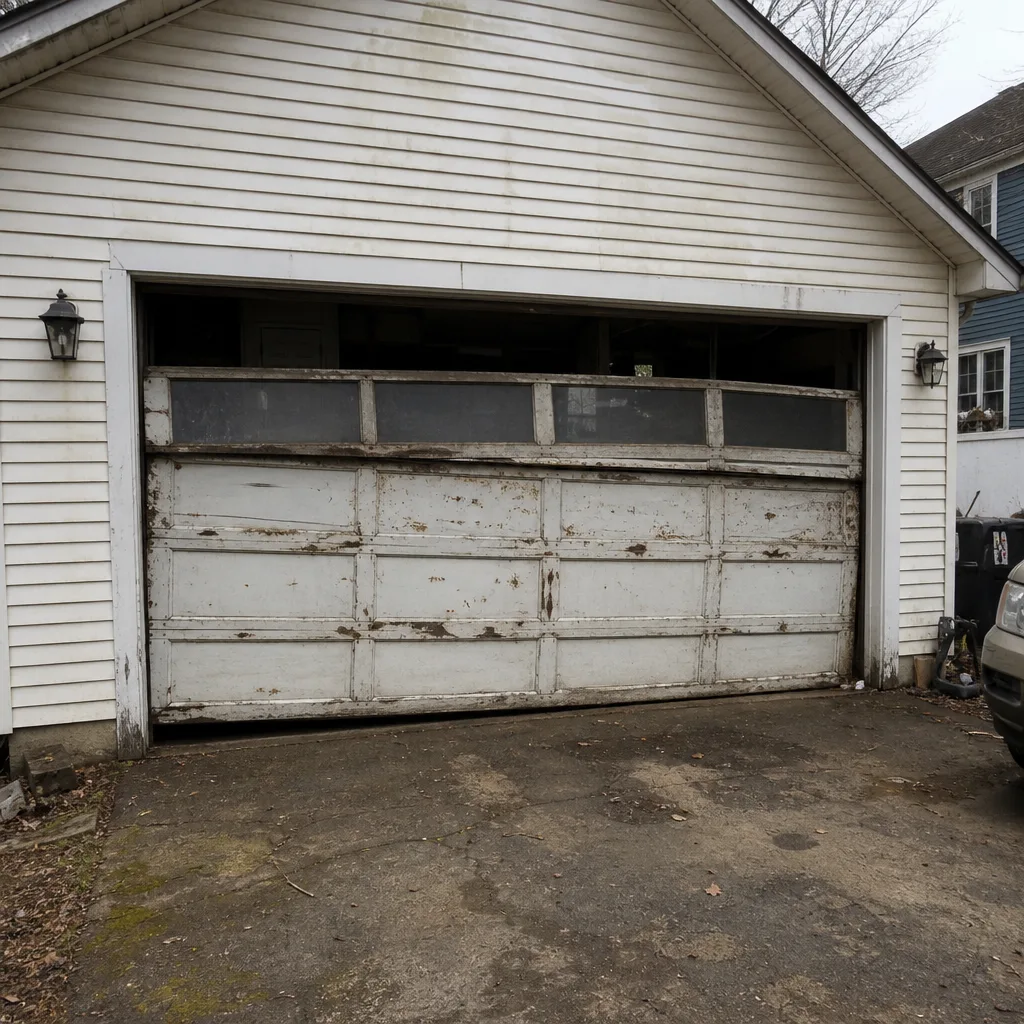 Before
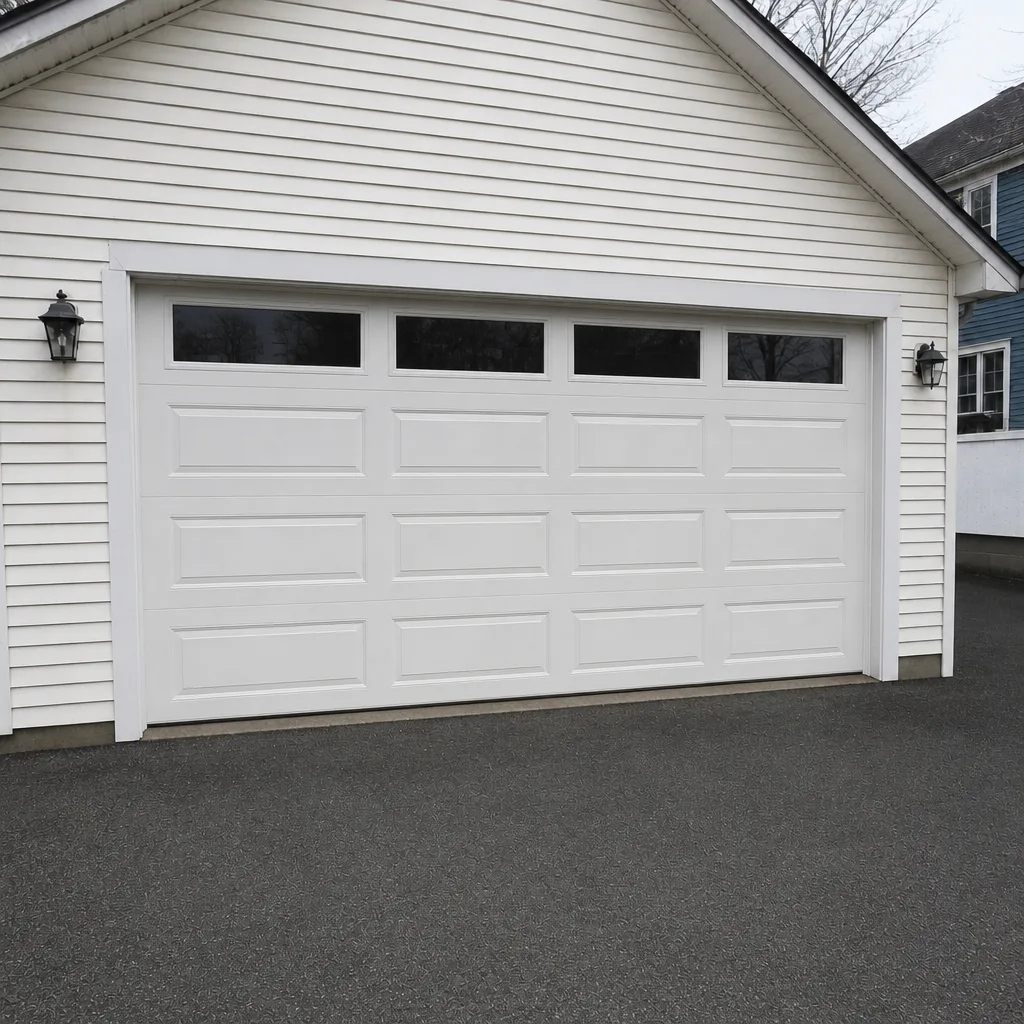 After
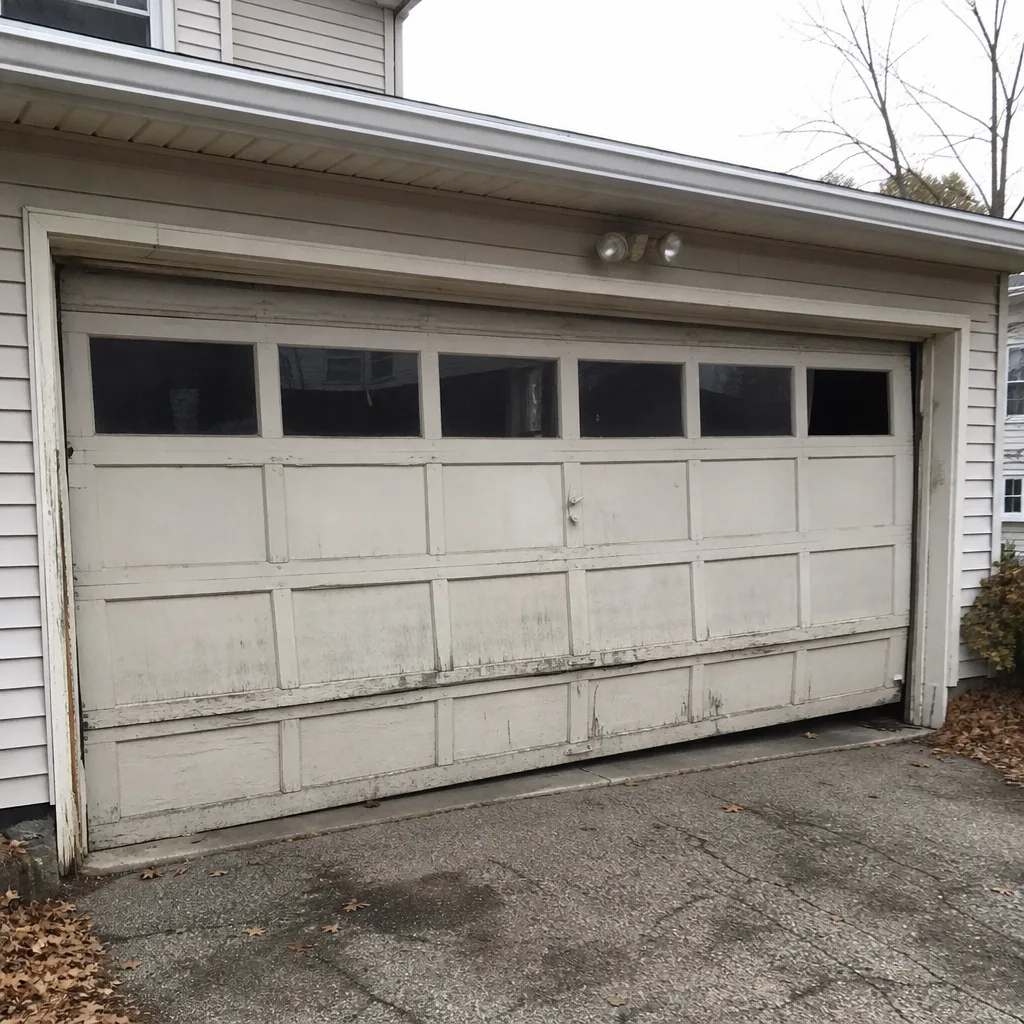 Before
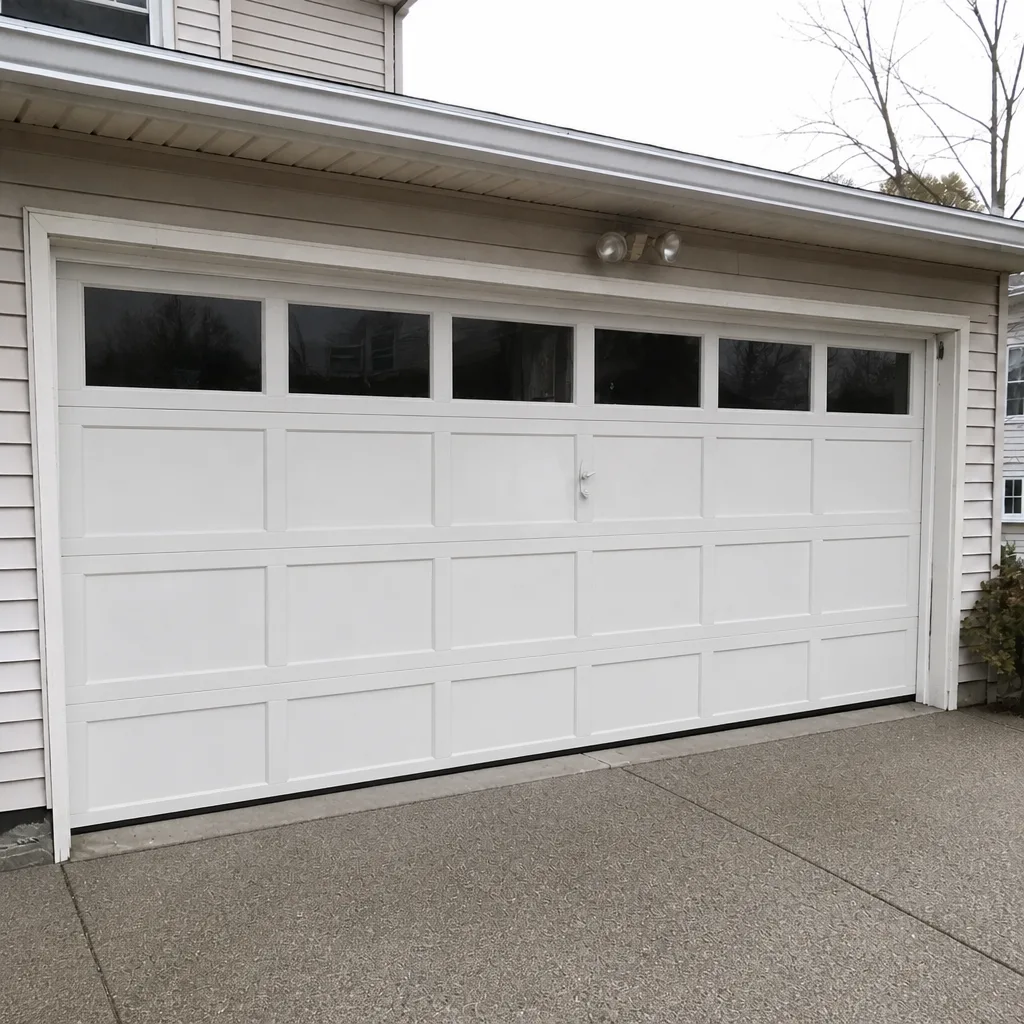 After
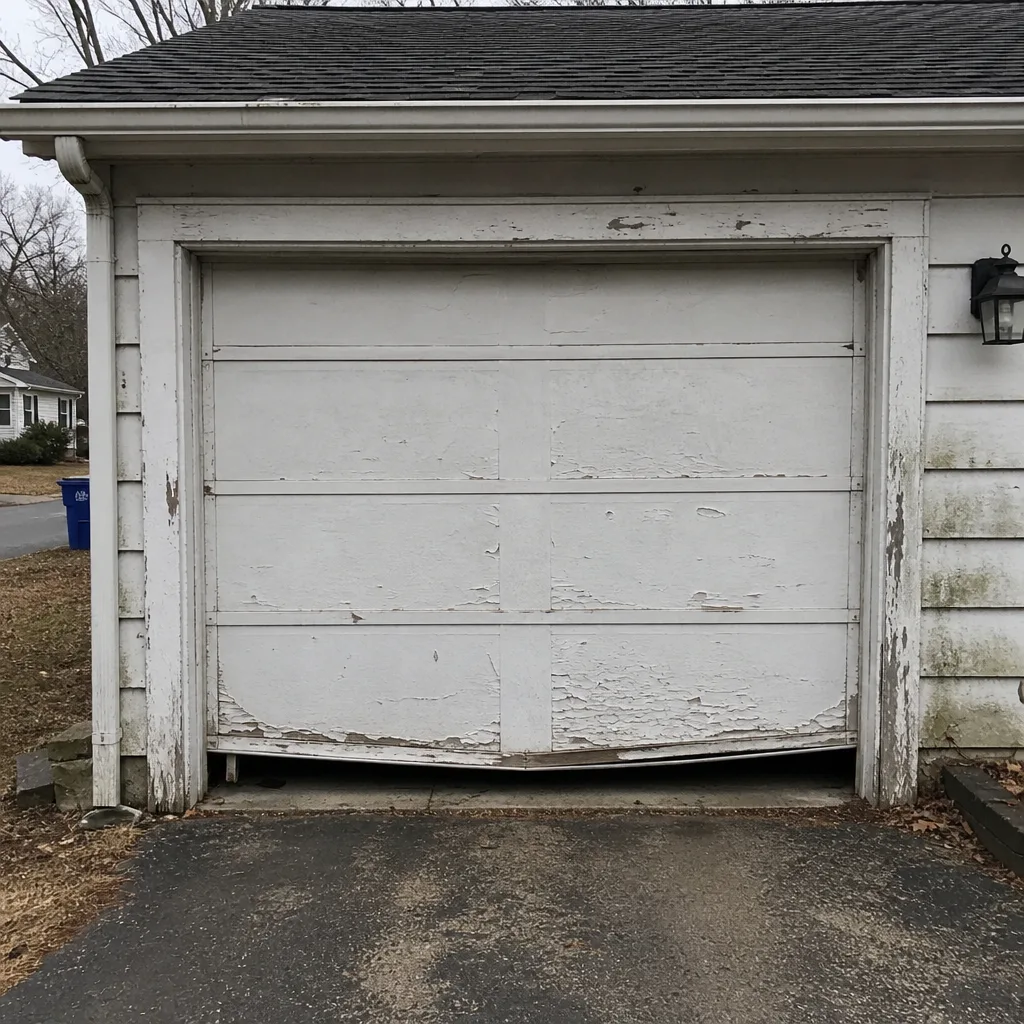 Before
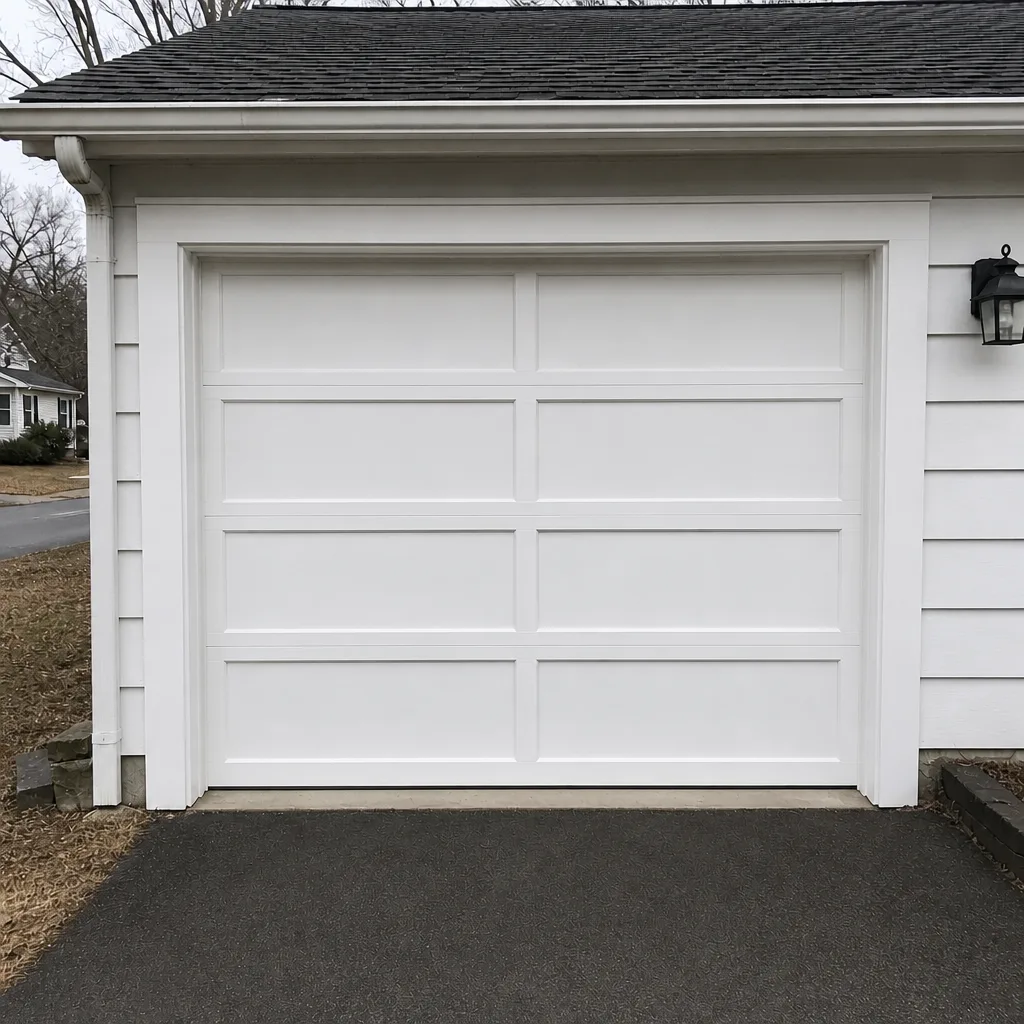 After
When to Call a Professional
There are decisions in this guide you can make yourself, and then there’s the work itself. Call a professional when a spring, cable, or torsion bar is already broken or looks compromised; when a door has come off its tracks or won’t close evenly; when the opener runs but won’t lift the door; and when you’re comparing brands and want an opinion grounded in what actually holds up on Manchester homes rather than what a showroom rep says. Installation itself is a professional job. A garage door is heavy, under spring tension, and needs precise track alignment to run safely, and a well-installed door on a mid-tier brand beats a badly installed premium door every time. Manchester Garage Door Repair Pros offers free estimates in Manchester, and we service the full system from the panel to the opener to the spring. Call (833) 509-3052 and we’ll walk through your options. Our garage door repair team handles the failure side; when it’s time to replace rather than repair, the same specialist advice applies.
Frequently Asked Questions
There’s no single best brand, but the best-fitting brand for a Manchester home combines bonded polyurethane insulation, 25-gauge or heavier steel, a wind-rating suited to the door’s exposure, and a trained service network within reasonable driving distance. Clopay and Amarr often lead on panel construction and insulation, while LiftMaster and Chamberlain lead on operators. The right brand is the one that meets all four conditions for your specific home and driveway.
No. A higher R-value improves thermal performance, but only if the foam is bonded to the steel. A framed door with an inserted foam board can post a similar number and still rattle and leak cold air after a few freeze-thaw cycles. Ask how the insulation is built, not just how high the number is, and weigh the value against whether the garage sits below living space.
Yes. Manchester gets ice, plow throw, gravel, and driveway traffic that all find the door’s bottom panels. 24-gauge is the heaviest and most dent-resistant, 25-gauge is the practical middle, and 27-gauge dents more easily. For a two-car attached garage, 25-gauge is the sensible starting point. Gauge also affects door weight and opener capacity, so it’s not a standalone choice.
Manchester sees the inland edge of nor’easter systems, and a wide garage door is a large panel that deflects under wind load. A rated door with proper reinforcement resists coming off its tracks better than an unrated one. It matters most on exposed doors, wide spans, and homes where the garage opens onto living space.
Usually the steel sections against rust-through and manufacturing defects for as long as you own the home, with a shorter term on hardware and springs, and almost no labor after the first year. Complete coverage almost never exists. Ask whether the warranty transfers to a new owner and whether it requires registration within a set window of the sale.
We work on eight major brands, including LiftMaster, Chamberlain, Genie, Clopay, Amarr, Wayne Dalton, Craftsman, and Raynor, and our technicians have up to 11 years of experience. Our garage door spring repair and opener work covers the same brands. Call (833) 509-3052 and we’ll confirm what your exact system needs.
The Bottom Line
The best garage door brand for a Manchester home isn’t the most popular logo on the block. It’s the brand that survives the thermal swing from January lows to August highs, insulates the way your home actually needs, resists the ice and driveway impacts a Connecticut winter throws at it, holds its wind rating at the width you need, and can be serviced by a trained technician who can reach Manchester without a mail-order wait. Clopay, Amarr, LiftMaster, Chamberlain, and Genie all build doors and openers worth buying, but each one earns the recommendation only after the spec questions are answered. Ask the seven questions above, read the warranty fine print, and pick the brand that fits your house, not the one that fits a brochure.
When you’re ready to compare brands on a real Manchester home, or when a spring, opener, or door has already failed and you need a specialist, call Manchester Garage Door Repair Pros at (833) 509-3052 for a free estimate. Our team handles the full system from the spring to the opener to the panel, and our technicians work across all eight major brands. Estimates are free, and the price is agreed in writing before any work starts.
Written by the team at Manchester Garage Door Repair Pros.