Last updated November 23, 2026
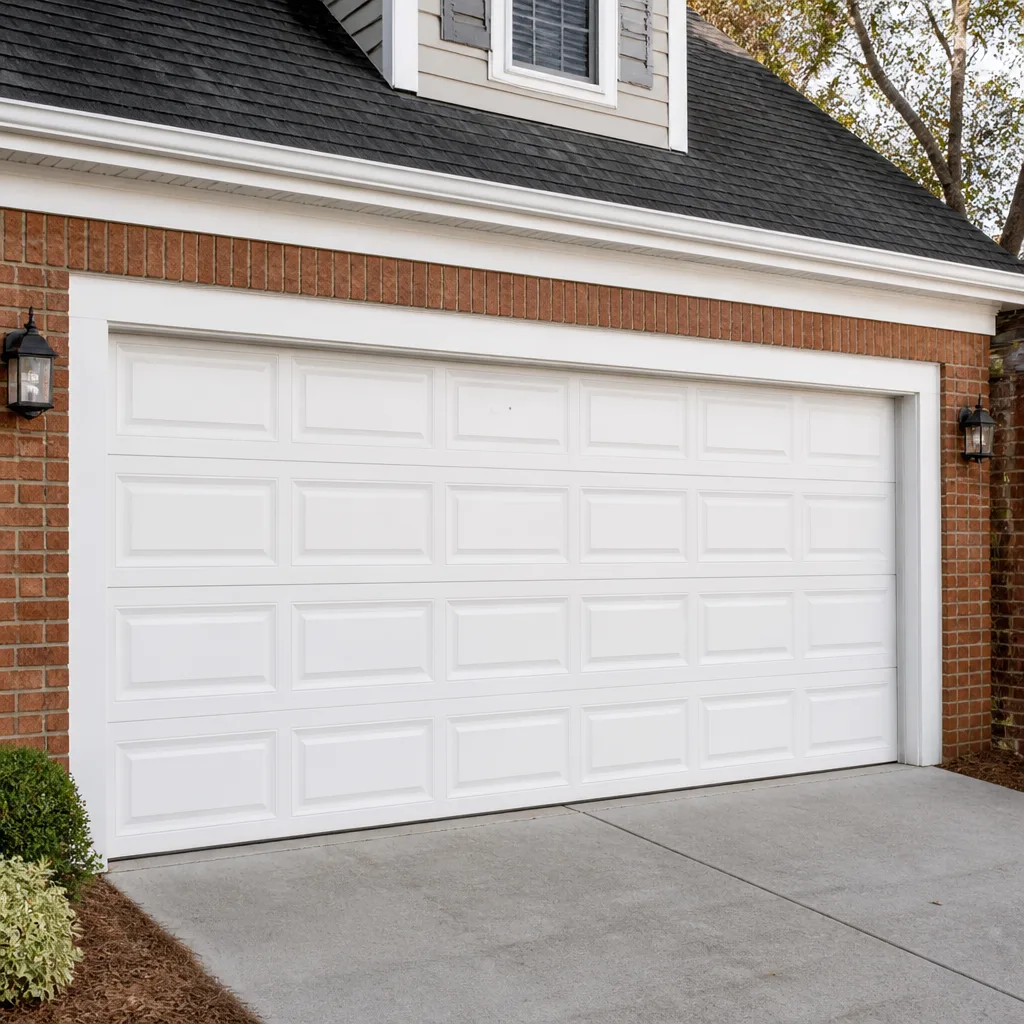 Raised-panel steel
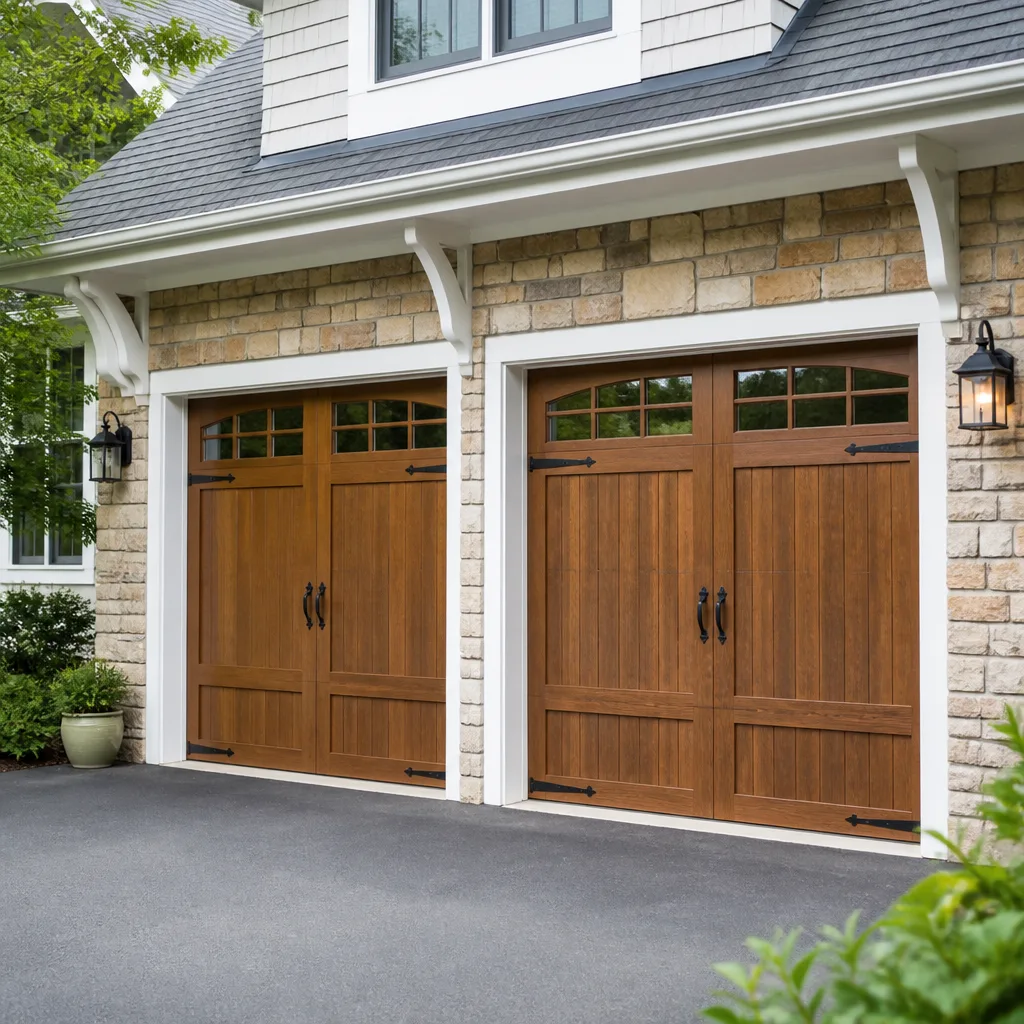 Carriage house
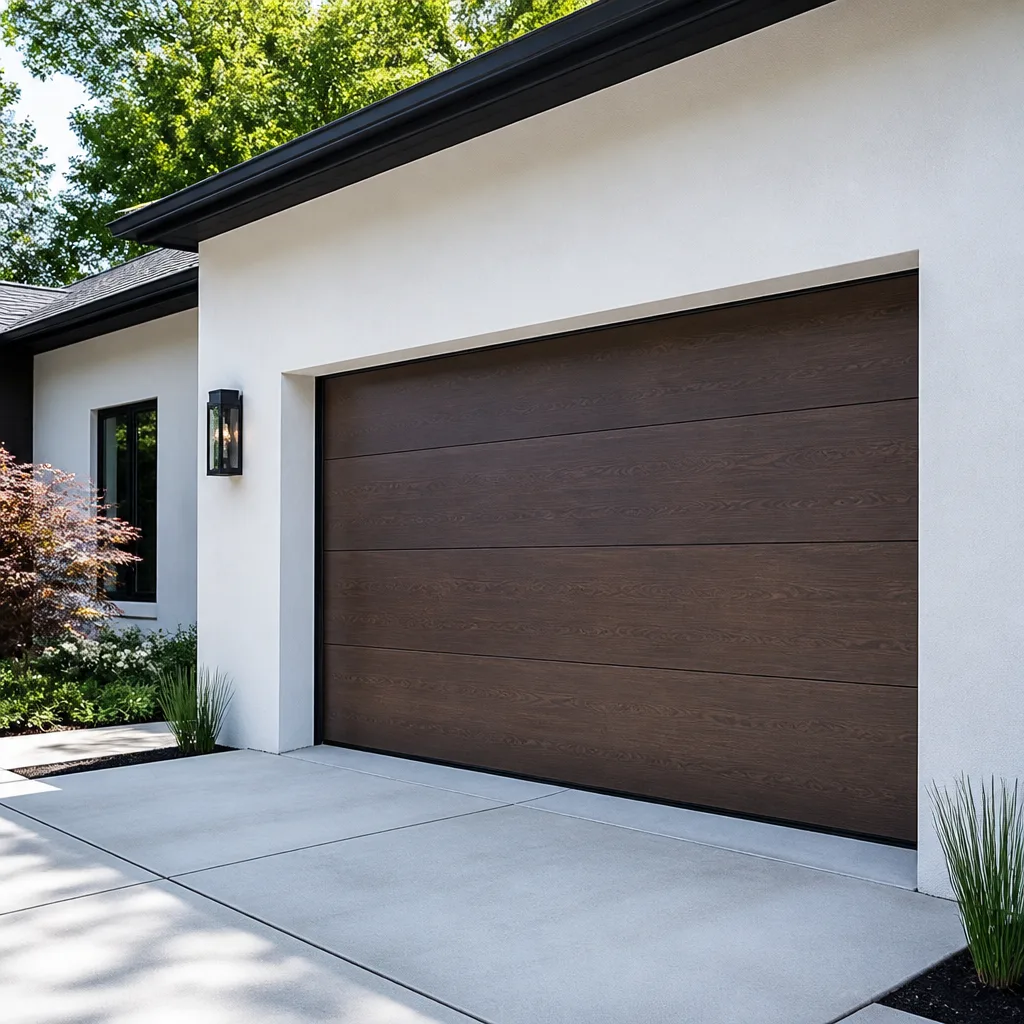 Modern flush
 Full-view glass
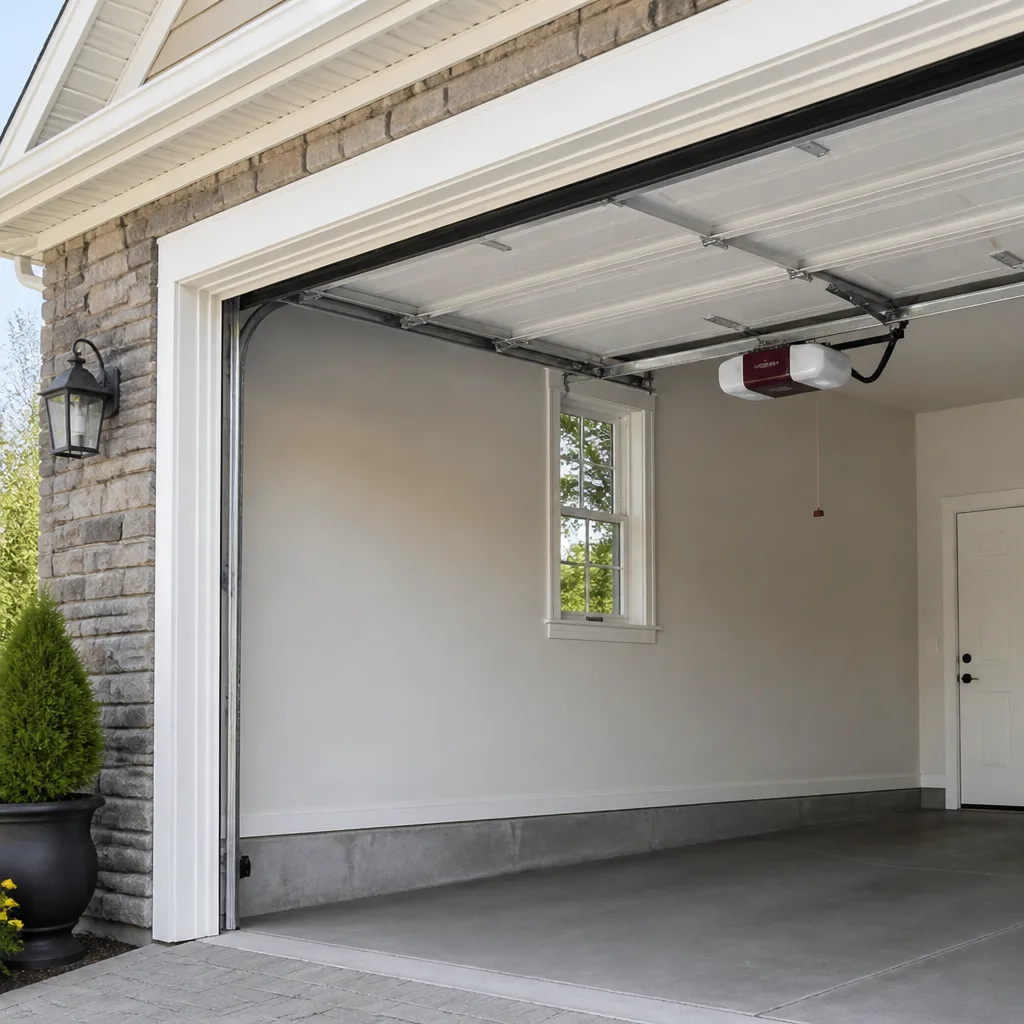 LiftMaster openers
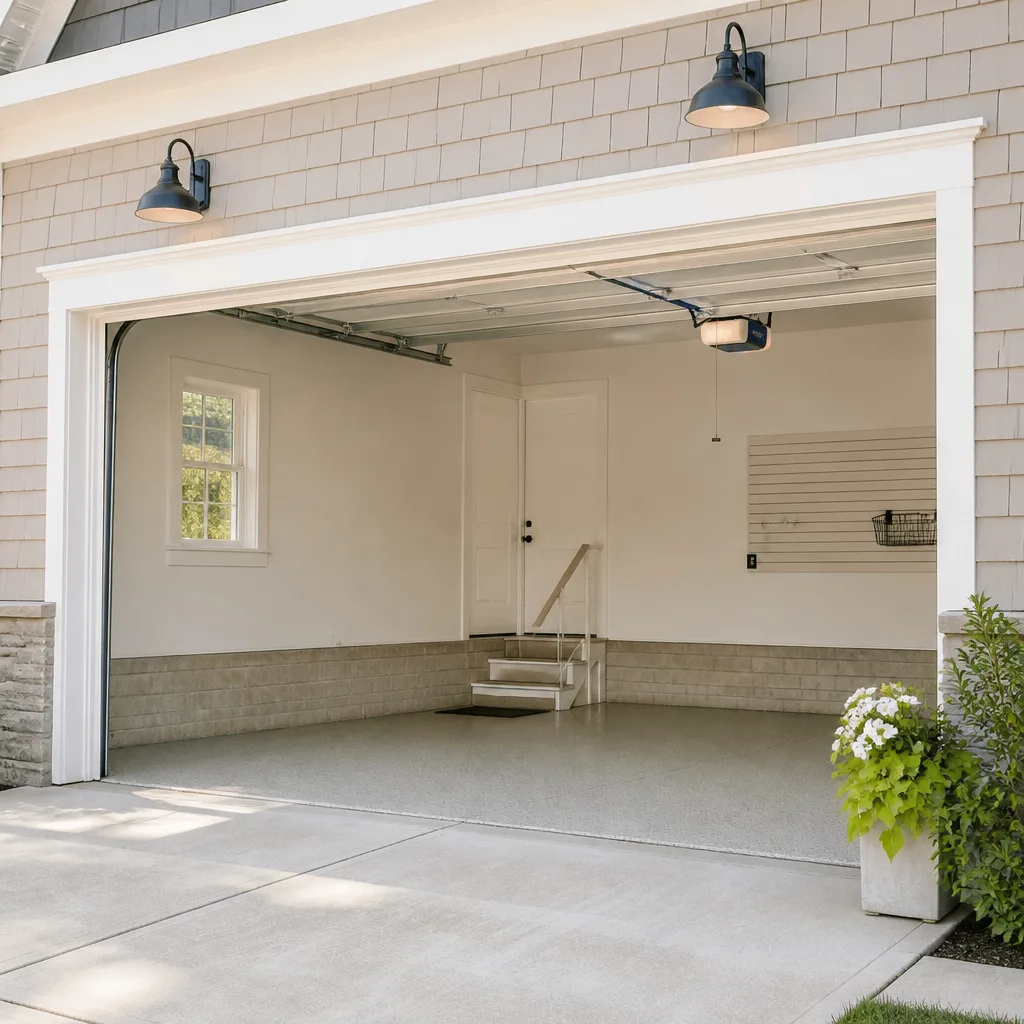 Chamberlain openers
Full 25-point door and opener safety check with every visit - springs, cables, rollers, tracks, and your LiftMaster or Chamberlain opener included
You get a price before we start. It does not change when the pro arrives.
Get your free estimateGarage Door Repair Troubleshooting in Manchester: Common Problems and How to Fix Them
A door that reverses before it reaches the floor and a door that won’t move at all look like completely different problems. Most of the time they’re the same misdiagnosed sensor issue, and homeowners spend hours chasing the wrong part. We’ve watched this play out across Manchester garages more than any other mistake. The truth is that almost every garage door failure falls into one of six mechanical categories. Knowing which category you’re in tells you immediately whether you’re looking at a five-minute adjustment or a job that needs a trained technician. This guide maps symptoms to root causes the way a technician actually diagnoses them: by failure pattern, not by part name. You’ll learn what to check, what to leave alone, and when to pick up the phone.
Quick Answer
Most garage door problems in Manchester fall into six categories: sensor and safety-reverse faults, track and roller misalignment, spring failure, opener and logic-board failure, balance and tension problems, and weather-related seal and hardware issues. About half of what looks like an opener failure is actually a snapped spring, and roughly the same share of “broken” doors are a dirty or misaligned safety sensor. You can safely check sensors, tracks, and remote batteries yourself. Springs, cables, and opener internals belong to a technician because of injury risk and warranty concerns.
Styles & brands we work with
- Raised-panel steel
- Carriage house
- Modern flush
- Full-view glass
- LiftMaster openers
- Chamberlain openers
Table of Contents
- Start Here: The Symptom-to-Cause Diagnostic Tree
- Springs, Cables, and Tension: The Failures You Should Never Touch
- Sensors and Safety Reverse: The Most Misdiagnosed Problem
- Tracks, Rollers, and Grinding Noises
- Reading Your Opener’s Error Codes Before You Call
- How Connecticut Weather Creates Seasonal Failure Patterns
- Five Adjustments You Can Make vs. Four You Can’t
- Slow, Sticking, and Intermittent Doors
Start Here: The Symptom-to-Cause Diagnostic Tree
Diagnose the behavior, not the part. When a technician pulls into a Manchester driveway, the first question isn’t “what’s wrong with your opener?” It’s “what does the door do when you press the button?” The answer narrows the field fast. Here’s how we sort the six categories by what the door actually does.
- Door reverses immediately after starting down. Safety sensor fault 90 percent of the time. Check the two photo-eye lenses near the floor.
- Door goes up about a foot, then stops or reverses. Usually a torsion spring that has lost tension or snapped. The opener is fine; the door is too heavy to lift.
- Motor runs, door doesn’t move. Broken spring, snapped cable, or a stripped drive gear in the opener. Test by pulling the manual release and lifting the door by hand.
- Loud grinding or scraping. Rollers worn flat, a bent track, or dry hinges. Rarer: a frayed cable catching on a drum.
- Door won’t respond to any remote or wall button. Dead opener, tripped breaker, or a logic board failure. Check power at the outlet first.
- Door moves but very slowly, or stops halfway. Failing capacitor, worn rollers, or a door out of balance. Also common in the cold months when lubricant stiffens.
That list handles most calls. If you want a deeper walkthrough of what a technician actually does on arrival, our garage door repair page lays out the visit step by step. For now, the point is simple: read the symptom, then you know whether you’re looking at a sensor, a spring, or an opener. Those three account for the overwhelming majority of what we see in Manchester.
Springs, Cables, and Tension: The Failures You Should Never Touch
Torsion springs and the cables that run through them are under extreme tension, and they can release violently without warning. This is the one category where we tell every homeowner the same thing: don’t. A snapped spring is obvious once you know what to look for. The door feels bottom-heavy. There’s a visible gap in the coil above the door. The opener strains and gives up. Cables are trickier, since a frayed strand can hide behind the drum.
What you can safely do is confirm the spring is the problem without touching it:
- Pull the manual release cord (the red handle) to disconnect the opener.
- Try lifting the door by hand. A properly balanced door rises with modest effort and stays put halfway up.
- If the door is too heavy to lift, or crashes back down, the spring or cable is the culprit. Stop there.
Never attempt to wind, unwind, or adjust a torsion spring yourself. The tools involved are specialized, and the stored energy is enough to break a wrist or worse. Spring repair is a named specialty for us because it’s the highest-risk job in the trade, and plenty of general contractors won’t touch it. For a full breakdown of what spring replacement involves, see our garage door spring repair page. The one thing to remember: a matched pair of springs usually gets replaced together, because when one fails the other has absorbed the same cycles and is close behind. Replacing one and leaving the other is a false economy.
Sensors and Safety Reverse: The Most Misdiagnosed Problem
If your door reverses before it reaches the floor, the safety sensors near the base of the tracks are the first thing to check, and it’s a check you can do in two minutes. The two photo-eye lenses sit a few inches off the ground on each side of the door and shoot an invisible beam across the opening. If anything breaks that beam, the opener reverses the door by design. A box, a broom, a bag of road salt, or a fallen leaf between them will do it.
Here’s the check:
- Look at both sensor lenses. They should have a steady indicator light. A blinking light on one side usually means the beam is interrupted or misaligned.
- Clear anything between the lenses, including spider webs and dust on the lens faces.
- Gently nudge each sensor bracket. If the light flickers, the bracket is loose and needs tightening with a screwdriver.
- Check that both lenses point at each other roughly level. A door left open in a windstorm can knock one out of alignment.
That solves most reverse-on-close complaints, and it’s why we treat “my opener is broken” with a grain of salt until the sensors are ruled out. When the light won’t stay steady after cleaning and realigning, or a wire has been chewed or pinched, it’s an electrical fault rather than an adjustment. Older systems with Craftsman or LiftMaster logic boards sometimes need the sensor circuit tested with a meter. That’s the point to call someone.
Tracks, Rollers, and Grinding Noises
Grinding and scraping almost always trace to the mechanical path the door travels, not the opener. The door rides on rollers inside two vertical tracks and two curved horizontal tracks, plus hinges that connect the panels. Any one of those parts wearing out shows up as noise, a door that binds, or a door that drifts sideways as it rises.
What to look at:
- Rollers. Steel rollers wear flat and start grinding; nylon rollers crack. If the roller surface looks scored or chipped, that’s your noise.
- Tracks. Run your hand along the inside edge of each vertical track (door down, opener released). Dents and bends from a bumped car or a leaning ladder cause binding. Small dents can sometimes be straightened; crushed tracks get replaced.
- Hinges and pivot points. Squeaking and groaning usually means dried-out hinges and roller stems. A garage-door-rated lubricant on the hinges, roller stems, and bearing plates quiets most of it.
- Loose hardware. Bolts and lag screws work loose over years of vibration. A quick tighten with a socket wrench, without over-torquing, removes a surprising amount of rattle.
What you shouldn’t do is adjust the track mounting brackets to force a misaligned door back into line. Track geometry is what keeps the door balanced, and moving a bracket without understanding the whole frame can make the binding worse or bind the door dangerously. If a track has visibly shifted, that’s a technician call. Manchester garages take a beating from temperature swings, and we’ll get into that below.
Reading Your Opener’s Error Codes Before You Call
Modern openers tell you what’s wrong if you know where to look, and reading the code first can save you a service visit. LiftMaster, Chamberlain, and Craftsman units (all built on closely related platforms) use a light pattern on the main motor head to signal faults. The count of flashes repeats in a cycle, and the number of flashes maps to a category.
What the patterns generally tell you:
- Repeated short flashes on the safety-reverse LED. The safety sensors are blocked or misaligned. Same story as the section above.
- Light blinks a set number of times and repeats. A diagnostic code. Count the flashes in one full cycle and note it. Common codes point to a sensor issue, a travel-limit problem, or a logic-board fault.
- Light won’t blink at all and the motor is silent. No power or a dead board. Check the outlet with a lamp, then the breaker.
- Up and down arrows both blink on a wall console. Usually a lock or vacation mode engaged, or a communication fault between the wall control and the motor.
The exact code table differs by model, and that’s where a specialist earns their keep. We work across LiftMaster, Chamberlain, and Craftsman systems routinely and recognize the legacy drives as well as the current smart-home hardware. Note the flash count, then call. If the door itself is fine and it’s purely the motor or logic board, our garage door opener repair page covers what replacement and repair look like. A code is a starting point, not a diagnosis: the same code can mean a bad sensor or a failing board depending on the surrounding symptoms.
How Connecticut Weather Creates Seasonal Failure Patterns
Manchester’s freeze-thaw cycles and summer humidity swings drive a predictable calendar of garage door problems. This isn’t guesswork. The same issues show up around the same time each year, and if you know the pattern you can get ahead of it.
Late fall and winter. Cold shrinks the wood and metal of the door frame, and lubricant thickens. Doors that ran fine in October start to groan, and rollers that were borderline go noisy. The bottom weather seal hardens and cracks, letting cold air and moisture under the door. A door that was marginally balanced all summer can suddenly fail to lift because the spring is cold and the seal is dragging.
Spring thaw. Freeze-thaw cycles heave the ground under the concrete and shift the slab slightly. That can throw a safety sensor off level or crack a seal at the base. It’s also when salt and grit tracked onto the door and tracks become visible.
Summer humidity. Wooden doors absorb moisture and swell, which can cause panels to bind in the tracks. Metal doors and tracks expand, and hardware that was tight in January loosens. Humidity also exposes electrical gremlins in older opener wiring.
The practical takeaway for Manchester homeowners is to treat late fall as a service checkpoint. A lubricant pass on hinges and rollers, a check of the bottom seal, and a balance test before the first hard freeze head off most of the winter complaints. If your door has been getting noisier since the cold set in, that’s not a sign the door is failing; it’s a sign the hardware wants attention.
Five Adjustments You Can Make vs. Four You Can’t
There’s a clear line between homeowner-safe maintenance and work that risks injury or voids a warranty. Here’s where we draw it.
Safe to do yourself:
- Clean and realign safety sensors, and clear the beam path.
- Lubricate hinges, roller stems, and bearing plates with garage-door-rated lubricant.
- Replace remote batteries and re-pair a remote to the opener following the manual.
- Tighten loose track and hinge bolts with hand tools, without forcing anything out of alignment.
- Clear debris from the tracks and sweep the threshold.
Requires a technician:
- Any work on torsion springs or the cables through them. Injury risk is real and severe.
- Spring, cable, and drum replacement, including adjusting spring tension.
- Opener logic-board, capacitor, and drive-gear replacement, where the wrong part or a slipped step can damage the unit and void coverage.
- Track replacement or realigning track brackets on a door that has shifted out of square.
There’s a middle ground too. A door off its tracks after a bump from a car looks like a technician job, and it usually is, but if the door is still hanging and only the rollers have jumped, sometimes it can be reseated without replacing parts. When in doubt, stop before you force anything. The right fix, not just a quick fix, is what keeps a door running for years rather than weeks, and forcing a stuck part is how small problems turn into panel damage.
Slow, Sticking, and Intermittent Doors
A door that works but complains is usually a balance or drive issue, and both reward early attention. If the door moves slowly in one direction, hesitates, or stops partway and reverses, you’re looking at one of a few causes.
- Out-of-balance door. The springs no longer carry the door’s weight evenly. Test with the manual release: if the door won’t stay put when you let go halfway up, it’s out of balance. Don’t force it.
- Failing opener capacitor. The motor strains, especially on the lift. Common in older drives, and the fix is a capacitor or opener replacement.
- Worn rollers or a dry hinge. Friction adds load the opener can’t quite cover. Lubrication and new rollers solve it.
- Travel-limit drift. The opener’s up or down limit has slipped, so the door stops short or over-travels. Reprogramming the limits per the manual is homeowner-safe.
- Loose wiring or a failing wall control. The door works from the remote but not the wall button, or vice versa. That’s a communication issue, not a mechanical one.
In our experience, intermittent problems where the door works one day and fails the next are the hardest to pin down, and they’re almost always electrical rather than mechanical. A cold solder joint on a logic board or a chafed safety-sensor wire can behave differently day to day. Note what happens and when, and share that pattern with the technician. It shortens the diagnosis considerably.
Common Mistakes to Avoid
- Assuming the opener is dead when the spring has snapped. The motor runs, so people blame the motor. Pull the release and lift the door by hand first; if it’s heavy, the opener is doing its job against a broken spring.
- Bypassing the safety sensors to “make it work.” Taping over a sensor or zip-tying it out of the beam path defeats the one safety feature that stops the door on a child or pet. It also fails any safety check and can void warranty coverage.
- Greasing the tracks. Tracks should be clean and dry. Lubricant on the track surface attracts grit and makes rollers slide instead of roll. Grease the hinges and rollers, not the tracks.
- Adjusting torsion springs without the right tools. This is the single most dangerous mistake. Springs store enough energy to cause serious injury, and getting it wrong can also drop a door.
- Replacing one spring of a matched pair. The other spring has the same cycles behind it. Replacing one leaves a door imbalanced and heading for a second failure.
- Ignoring a noisy door through the winter. A groan in November becomes a frozen, stuck door in January. A lubricant pass in late fall costs almost nothing compared to a mid-winter repair.
- Patching a bent track instead of replacing it. A straightened track that’s slightly off geometry will keep wearing rollers and eventually bind the door. Replace it.
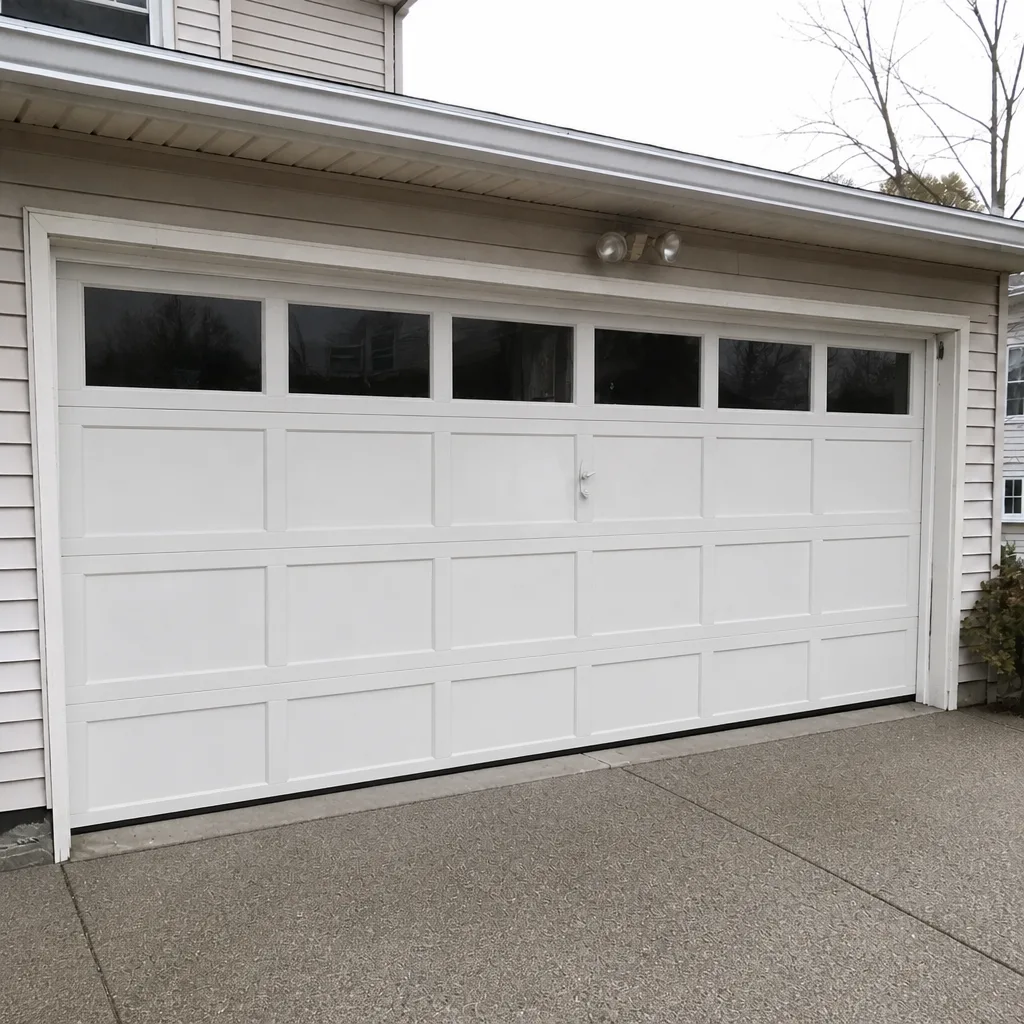
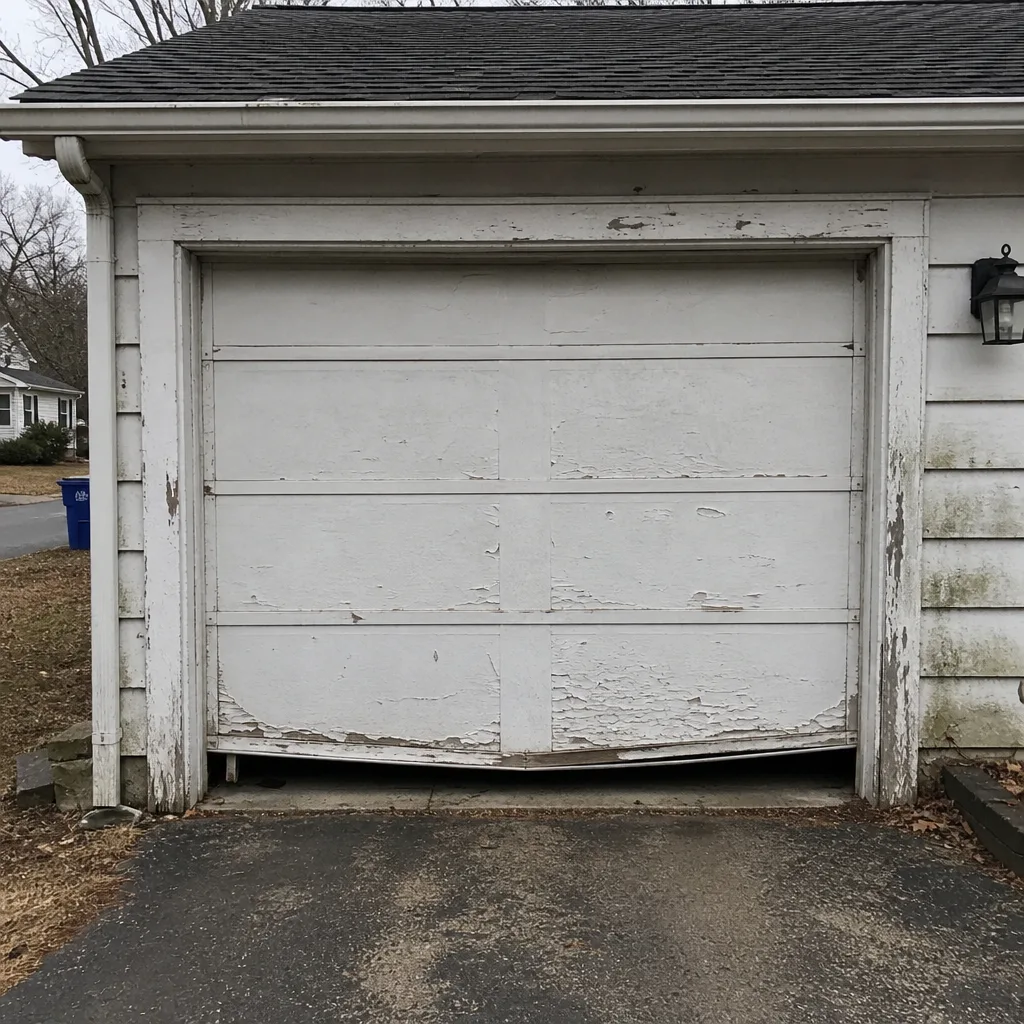
See the difference
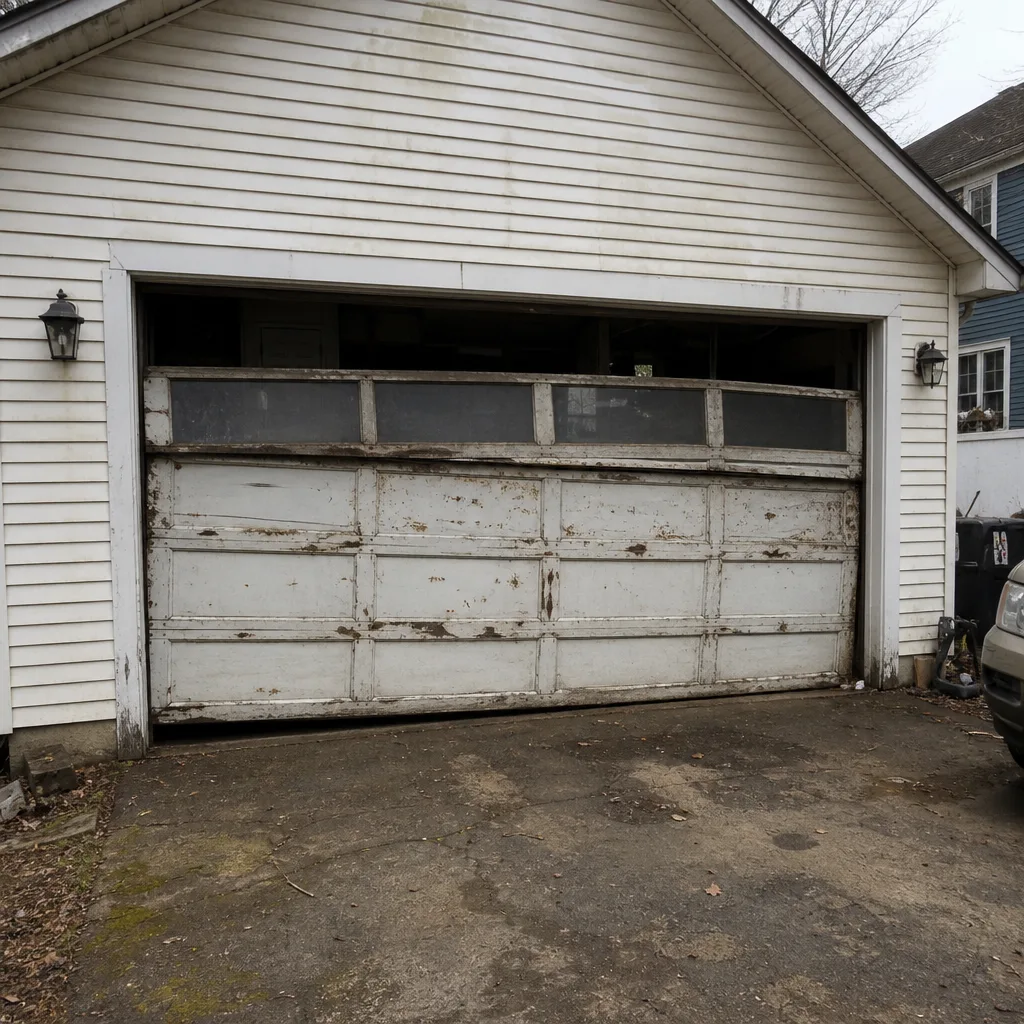 Before
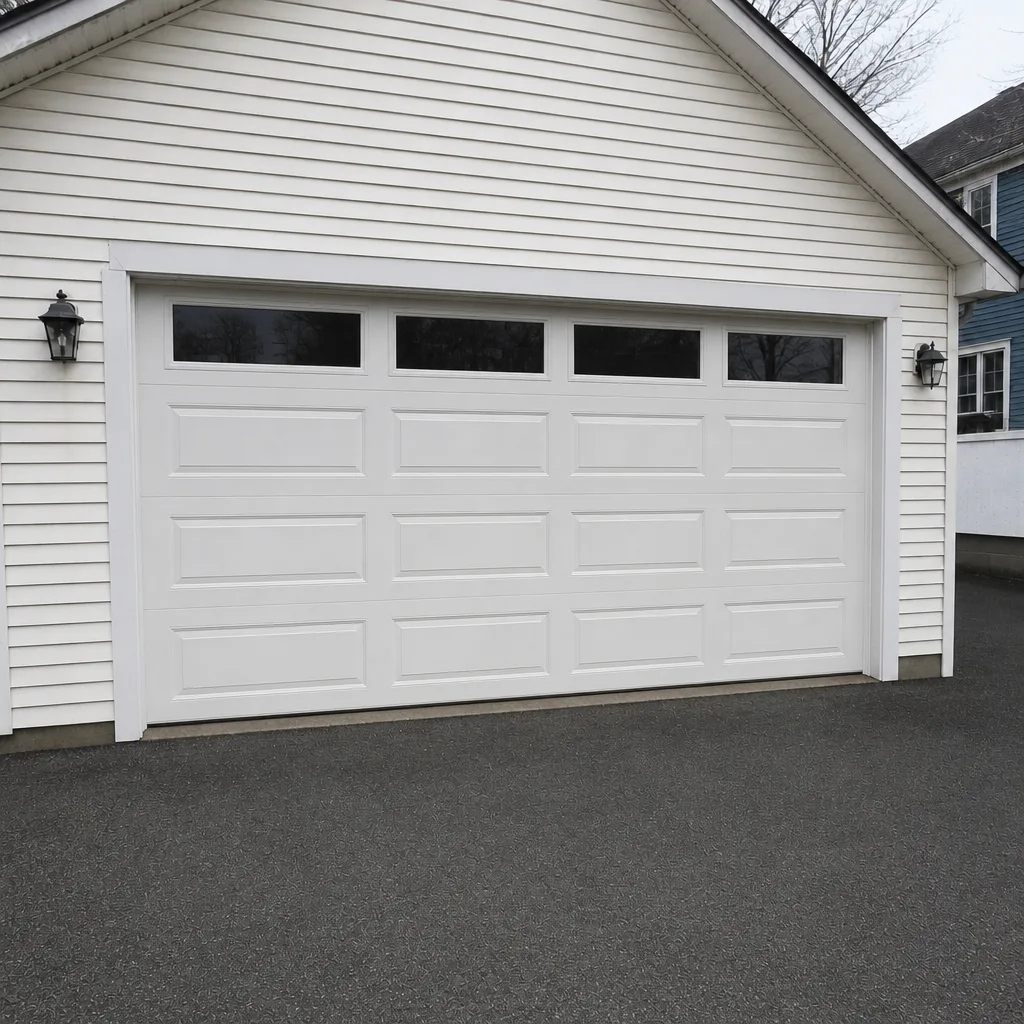 After
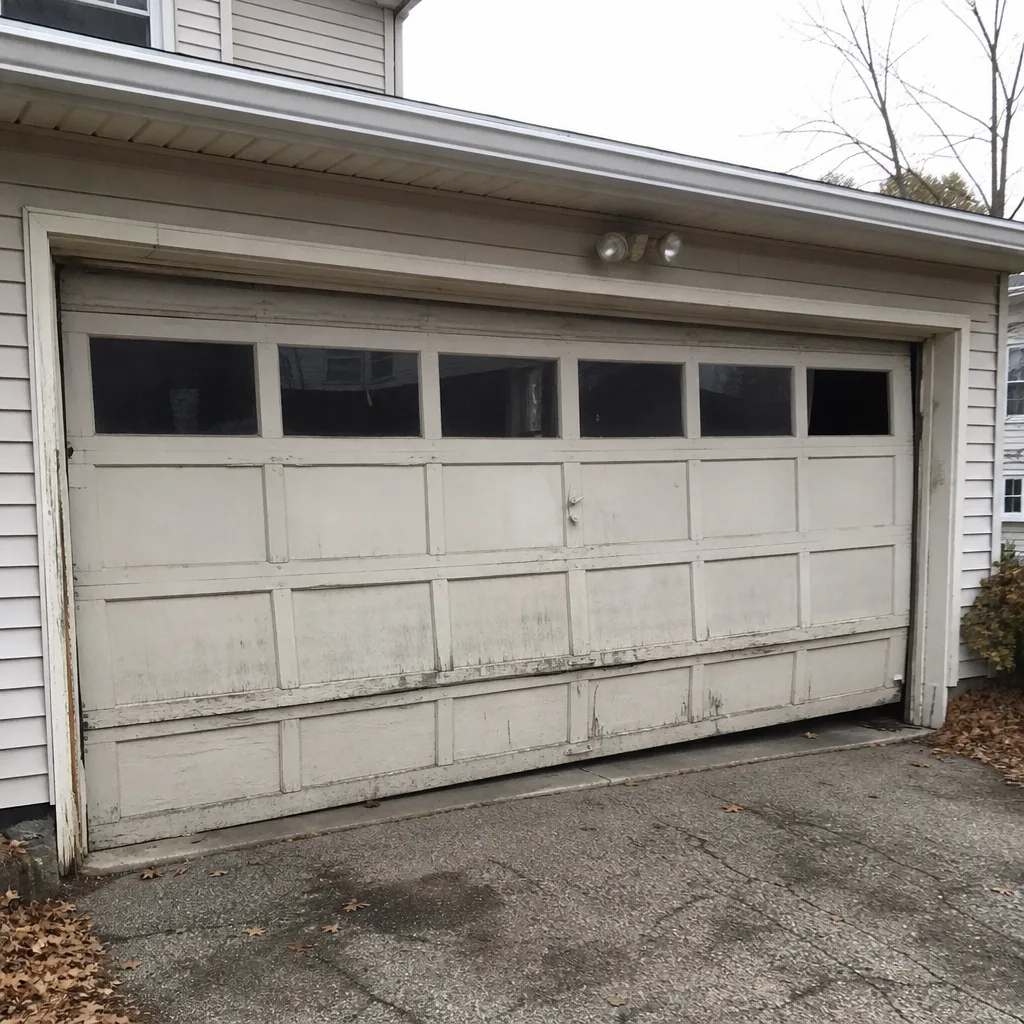 Before
 After
 Before
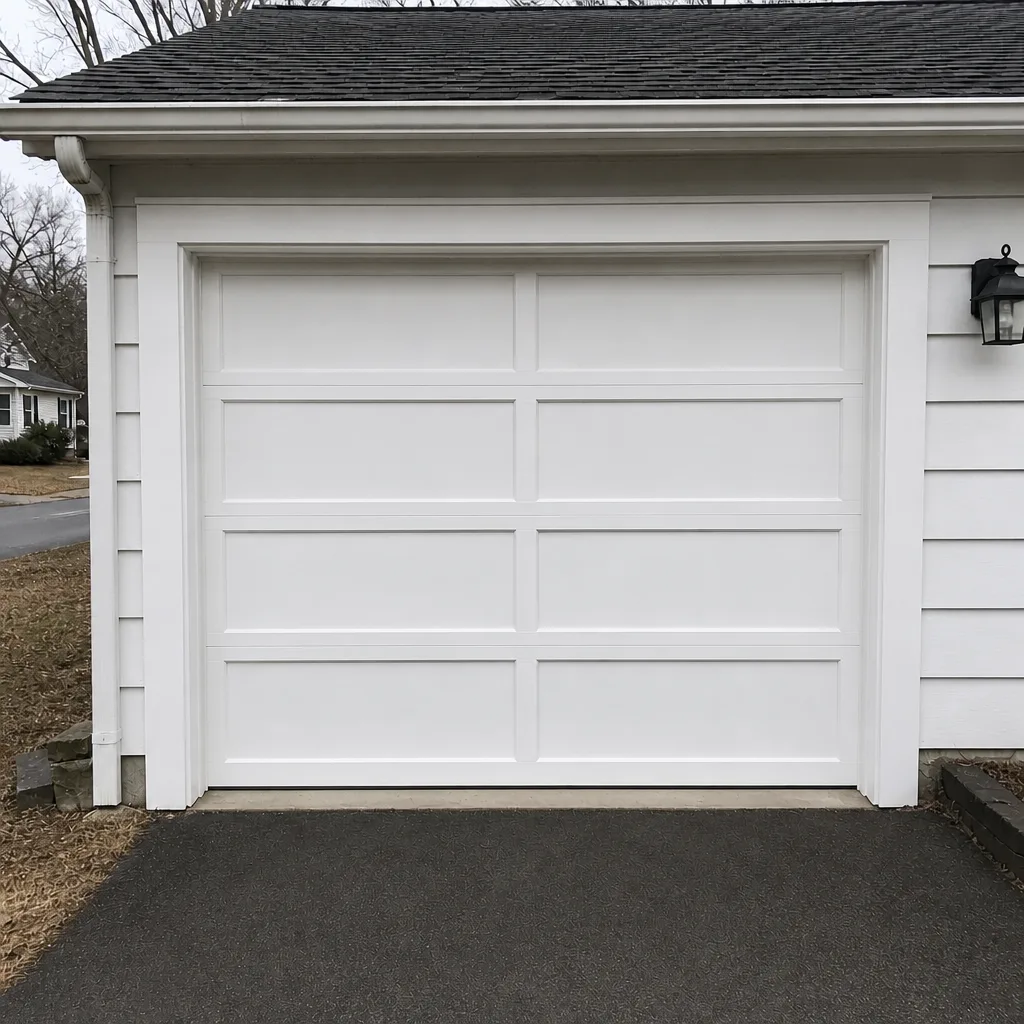 After
When to Call a Professional
Call a technician when the door is too heavy to lift by hand, when a spring or cable is visibly broken, when a track has shifted or been hit, or when the opener throws a code that points to the board. Also call if the door won’t stay in the track, if the safety sensors won’t hold a steady light after cleaning and realignment, or if an intermittent problem has you guessing. These are the cases where working on it yourself risks injury or makes the repair more expensive. Manchester Garage Door Repair Pros offers free estimates in Manchester. We’re garage door specialists, not generalists, and we handle the whole system from the spring to the opener to the panel. Call (833) 509-3052 and we’ll tell you honestly whether it’s a quick fix or a full repair.
Frequently Asked Questions
Your safety sensors are blocked, dirty, or misaligned. The two photo-eye lenses near the floor shoot a beam across the opening, and anything interrupting it makes the opener reverse the door. Clean both lenses, clear the beam path, and check that each sensor has a steady indicator light. If the light blinks or won’t hold steady, a bracket or wire needs attention. Call (833) 509-3052 if it won’t stay steady after a realignment.
It’s almost always the spring, not the opener. Pull the manual release and try lifting the door by hand. If it’s too heavy to lift or drops back down, the spring has failed and the opener is fine. If the door lifts easily by hand but the motor won’t move it, the opener’s drive gear or logic board is the problem. Either way, it needs a technician.
No. Torsion springs are under extreme tension and can cause serious injury if handled without the right tools and training. We recommend against any homeowner spring work. Spring repair is a specialty, and it’s the job we handle most often. Call (833) 509-3052 for an estimate.
Cold weather thickens lubricant and shrinks the door frame, so rollers, hinges, and tracks get noisier. A cold door is also heavier, which strains the opener. A lubricant pass on hinges and roller stems in late fall heads off most winter noise. If the grinding is coming from the tracks or a roller, have it checked before the noise becomes a binding problem.
Cost depends entirely on which category your problem falls into. A sensor adjustment or lubrication is minor. Roller or hinge replacement sits in the middle. Spring and opener repairs are the larger jobs because of the risk and parts involved. We give free estimates and quote the price before any work starts, so you know the number before we touch the door. Call (833) 509-3052 for an exact quote.
Yes. We work on LiftMaster, Chamberlain, and Craftsman, along with Genie, Clopay, Amarr, Wayne Dalton, and Raynor. We handle modern smart-home systems and older legacy drives alike. If your opener is throwing a code, note it and mention it when you call.
The Bottom Line
Garage door problems follow patterns, and once you can read the symptom you know whether it’s a two-minute fix or a call to a specialist. Sensors and tracks are homeowner territory. Springs, cables, and opener internals are not. In Manchester, the freeze-thaw cycle makes late fall the best time to lubricate, check the bottom seal, and balance the door before winter. And the biggest trap is misdiagnosing a snapped spring as a dead opener: test with the manual release before you blame the motor. When you’re not sure, we’ll tell you straight. Call (833) 509-3052 for a free estimate.
For a full view of what we handle across the system, from repair to opener service and new installation, our team is ready to help. We work on your brand, back in service today, with the right fix rather than just a quick one.
Written by the team at Manchester Garage Door Repair Pros. Our technicians have up to 11 years of experience.